Website Analytics vs. User Privacy: Finding the Right Balance
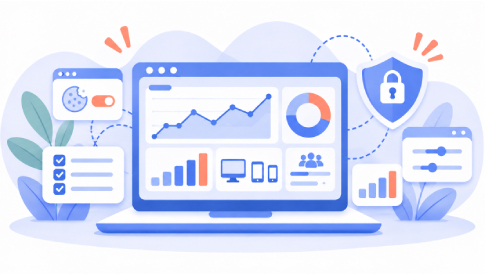
Website analytics help businesses understand how visitors interact with their websites, providing valuable insights into performance and user behavior. From identifying the pages that attract the most attention to understanding which marketing channels generate traffic, analytics can support smarter decisions about content, design, and digital strategy.
However, collecting this information also raises important questions about online privacy. Visitors may not always understand how much information is collected when they browse a website, particularly when multiple analytics, advertising, and third-party technologies are operating behind the scenes.
As users become more aware of how their data is collected and used, businesses need to consider how they measure website performance without overlooking privacy concerns. Understanding tracking technologies, limiting unnecessary data collection, and adopting more transparent practices can help organizations find the right balance.
Why Website Analytics Matter for Modern Businesses
Website analytics provide useful information about how people discover and navigate a website. By reviewing this data, businesses can identify opportunities to improve the user experience and make more informed marketing decisions. Modern website builders can also make analytics more accessible, letting businesses integrate analytics into their website workflows without extensive technical knowledge.

Common measurements include:
- Traffic sources: Understanding whether visitors arrive through search engines, social media, email campaigns, or other websites.
- Popular pages: Identifying which content attracts the most attention and where customers tend to spend their time.
- Conversions: Tracking actions such as purchases, inquiries, account registrations, or form submissions.
- Engagement: Understanding how visitors interact with content and navigate between pages.
- Device information: Learning whether visitors primarily use desktop computers, smartphones, or tablets, which can help inform design decisions.
Looking at these measurements over time can also reveal useful patterns. For instance, an ecommerce business might discover that a particular guide regularly directs visitors toward a product page, while a service provider could identify which landing pages generate the most inquiries. For online stores, these insights can be particularly valuable. Learn more about the role of analytics in ecommerce growth and how businesses can use data to better understand customer behavior and improve performance.
However, collecting more data doesn’t automatically lead to better decisions. Large amounts of information can actually make analysis more complicated if there isn’t a clear purpose behind it. Instead, businesses should focus on measurements that support specific goals rather than gathering information unnecessarily.
Understanding the Privacy Impact of Online Tracking
Many analytics platforms rely on technologies that collect information about website visitors. These can include cookies, tracking pixels, scripts, and tags. Cookies may store identifiers or preferences on a user’s device, while tracking pixels and scripts can record interactions such as page visits and clicks.
The type and sensitivity of this information can vary considerably depending on the technology being used. In some cases, analytics may simply record aggregated information about page visits. Other tools may collect identifiers, device details, referral sources, and IP addresses, which can sometimes be used to infer a visitor’s approximate location. Depending on the tracking technology and data-sharing arrangements, this information may also be linked to activity across multiple websites.
Although these technologies provide useful insights, they can also raise privacy concerns, particularly when information is shared with third parties or used to track individuals across multiple websites.
This makes understanding the analytics technology operating on a website especially important. Businesses should know what their tools collect, why the information is necessary, how long it’s retained, and whether data is shared with external providers.
Data minimization can be a useful principle here. Rather than collecting information simply because an analytics platform makes it available, businesses can consider whether each data point actually contributes to a meaningful business decision. Removing unnecessary trackers can also simplify a website’s wider approach to data management.
How Privacy-Conscious Browsing Can Change the Analytics Picture
Internet users have several ways to limit how their online activity is monitored. Browser privacy settings and tracker-blocking extensions can restrict cookies and tracking scripts, while virtual private networks (VPNs) can mask a user’s IP address and make it harder to associate website visits with their original network location.
Privacy-focused browsers offer another option. For example, Tor Browser routes internet traffic through the Tor network, making it harder to identify a user’s IP address and trace their browsing activity. It also includes protections designed to limit tracking.
These technologies can affect the accuracy of website analytics by blocking tracking scripts, limiting cookies, or obscuring information such as a visitor’s IP address. Browser settings and consent choices can have a similar impact where users choose to reject analytics or advertising cookies.
As a result, businesses may see incomplete traffic data or find it more difficult to understand how individual visitors interact with their websites.
This doesn’t necessarily make analytics useless. Instead, it means organizations need to understand that analytics platforms rarely provide a perfect representation of every website visit.
Rather than attempting to bypass privacy protections, organizations should recognize these limitations when interpreting analytics reports. Looking at broader patterns and changes over time can often be more valuable than expecting every individual interaction to be recorded.
For example, if visits to a particular product category consistently increase over several months, the overall trend may still provide meaningful insight even if privacy technologies prevent some visits from being tracked.
Building a More Privacy-Conscious Analytics Strategy
Balancing website measurement with user privacy starts with understanding which information is genuinely necessary. Businesses don’t necessarily need detailed profiles of individual visitors to understand whether a website is performing effectively.
Businesses can take several practical steps:
- Define clear goals: Identify which metrics support business decisions and avoid collecting unnecessary personal information.
- Review tracking tools: Examine the cookies, scripts, tags, and third-party services operating on the website.
- Prioritize aggregated insights: Where appropriate, focus on overall patterns rather than attempting to identify or profile individual visitors.
- Be transparent: Clearly explain what information is collected, why it’s needed, and how it’s used.
- Respect user choices: Provide appropriate consent options and honor visitors’ tracking preferences.
- Review data practices regularly: Check whether existing analytics tools and retention periods remain appropriate.
Businesses can also examine whether first-party information can answer some of their questions without relying as heavily on third-party tracking. For example, aggregated information from purchases, account registrations, newsletter sign-ups, customer inquiries, and on-site searches may provide valuable insights into what customers need.
Regular audits can be helpful as well. Websites naturally change over time, with new plugins, marketing platforms, advertising tools, and embedded services being introduced. A tracking setup that was appropriate when a website launched may therefore look very different a year or two later.
Businesses should also consider the privacy regulations that apply to their operations. Depending on the jurisdictions involved, this may include requirements relating to cookie consent, disclosure of tracking practices, lawful grounds for processing personal data, and data retention. Understanding GDPR marketing consent requirements can also help businesses make more informed decisions about how they collect and use customer information.
Moving Towards More Responsible Measurement
The relationship between analytics and privacy doesn’t have to be viewed as a choice between useful data and protecting users. A more sustainable approach involves understanding what information genuinely contributes to business decisions and removing collection that doesn’t serve a clear purpose.
Businesses should also be realistic when interpreting their analytics. Cookie restrictions, privacy-oriented browsers, tracker blockers, VPNs, and visitor consent choices mean some activity may never appear accurately in an analytics platform. This makes context particularly important when comparing traffic figures, conversion rates, or user behavior over time.
Ultimately, effective analytics doesn’t require collecting every available piece of information about every visitor. By focusing on meaningful measurements, being transparent about tracking, and respecting user preferences, businesses can continue gaining valuable insights while taking a more responsible approach to online privacy.



Leave a Reply