When to Modernize Internal Software Instead of Replacing It
Enterprise technology leaders often face a difficult decision when internal software begins to show its age: should they upgrade the existing system or replace it entirely? As business operations grow, older platforms may struggle to support real-time reporting, mobile access, modern integrations, and evolving security requirements.
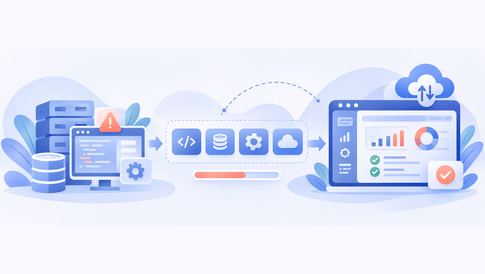
Starting from scratch can seem like the easiest way to address these limitations. However, replacing an established business system can involve substantial costs, implementation risks, and disruption to everyday operations. In many cases, internal software modernization offers a more practical alternative, allowing companies to preserve valuable business logic while improving performance and functionality.
The Financial and Operational Risks of Full System Replacement
Replacing a core platform entirely may sound attractive during initial planning discussions. A clean architecture and modern technology stack can offer better performance, simpler integrations, and greater flexibility. Yet, large-scale software replacements can exceed initial budgets, extend deployment timelines, and introduce unexpected technical and operational challenges.
Over many years, core internal tools accumulate business rules, exception-handling routines, and specialised reporting logic. Much of this functionality may be undocumented but remains essential to everyday operations. Rebuilding these workflows from scratch can lead to overlooked requirements, unexpected compatibility issues, and costly post-release fixes.
Gradual platform updates can reduce the operational disruption associated with large-scale system replacements. Internal teams can continue using familiar workflows while developers update backend services, improve integrations, and introduce more flexible infrastructure.
Indicators That Modernization Is the Superior Strategy
Deciding between updating an existing codebase and initiating a complete rebuild requires an evaluation of technical health, financial risk, and operational needs. Modernizing internal software can be the better option under several conditions.
1. Embedded Domain Logic Is Too Complex to Recreate
Core transactional tools often accumulate business rules, exception-handling routines, and specialised reporting logic over many years. Much of this functionality may be undocumented but remains essential to everyday operations.
Refactoring existing modules allows companies to preserve this domain knowledge while updating the underlying architecture and introducing modern interfaces. Rather than rebuilding established workflows, developers can improve individual components and gradually replace outdated functionality.
Through custom software development, businesses can build and improve applications around their specific operational requirements.
2. The Core Database Structure Remains Sound
When database schemas and data relationships remain stable, performance issues usually stem from legacy user interfaces or inefficient middleware APIs. Collaborating with experienced custom software developers to apply targeted unlocks hidden platform potential without risking core data integrity. “Preserving functional business logic while updating underlying API layers gives companies modern operational speed without the massive risks of full data migration,” states a principal systems strategist at SoftDoes. “Skilled custom software developers understand how to extract enterprise value from established systems without disturbing daily operations.”
3. Employee Retraining Could Disrupt Operations
Introducing an entirely new operational platform often requires employees across multiple departments to learn unfamiliar interfaces and workflows. During the transition, productivity may temporarily decline as teams adjust to the new environment.
Updating internal applications incrementally can introduce new capabilities within familiar interfaces, reducing the learning curve and helping employees adapt without having to switch to an entirely new platform at once.
This is particularly useful for businesses that rely on specialised internal tools for daily operations, where even a short period of disruption can affect service delivery and administrative processes.
Targeting specific performance bottlenecks allows enterprises to modernise internal systems gradually, improve operational efficiency, and avoid unnecessary disruption.
When Replacing Internal Software Is the Better Choice
Although modernization can preserve valuable business logic and reduce transition risks, it is not always the right solution. Some legacy platforms have reached a point where maintaining or extending them costs more than developing a replacement.
A complete replacement may be more practical when:
- The technology is no longer supported: Outdated frameworks, operating systems, or third-party components may no longer receive essential security updates or technical support.
- Security risks cannot be adequately addressed: If the existing architecture prevents the implementation of necessary security controls, continuing to rely on it may expose the business to unacceptable risks.
- The architecture is too difficult to maintain: Highly coupled code, missing documentation, and limited integration options can make even small changes expensive and unreliable.
- Business requirements have fundamentally changed: A platform designed for an older operating model may no longer support the company’s current processes, products, or expansion plans.
- Modernization costs exceed replacement costs: If updating the existing system requires extensive redevelopment without delivering sufficient long-term value, starting with a new architecture may be more economical.
The decision should be based on a technical assessment, realistic cost estimates, and the long-term needs of the business rather than a preference for either older or newer technology.
Strategic Pathways for Updating Core Infrastructure
Upgrading legacy platforms does not simply mean applying cosmetic fixes to outdated code. System architects use structured modernization approaches to improve existing applications, introduce new capabilities, and make infrastructure easier to maintain.
Breaking Monolithic Systems Into Modular Components
Monolithic internal software architecture combines business logic, database operations, and application functionality within a single codebase. As the system grows, modifying one component can affect unrelated parts of the application, making updates more difficult to test and deploy.
Breaking selected components into independent services can allow development teams to update specific features without changing the entire platform. However, this approach should be guided by actual business and technical requirements. Not every monolithic application needs to become a microservices architecture; in some cases, modularising the existing codebase is sufficient.
One established migration approach is the Strangler Fig pattern, which allows companies to replace individual features or services gradually while the existing application continues to support functionality that has not yet been migrated.
API Wrapping and Backend Integration
Legacy systems often lack standardized integration points, making it difficult to connect them to modern analytics platforms, cloud services, or third-party applications.
Building secure RESTful or GraphQL API layers around legacy systems can simplify integration with external platforms while allowing companies to retain the underlying application. Effective API integrations help established systems exchange data with external platforms while maintaining security and compatibility. These interfaces provide a controlled way for different systems to exchange information while allowing existing business logic to remain in place. Ars Technica reports show how modular software design principles help large organizations upgrade core capabilities while maintaining continuous system uptime.
Before introducing new integration layers, development teams should assess authentication requirements, data access permissions, compatibility, and potential performance bottlenecks.
User Interface Modernization
Internal tools built years ago often feature outdated interfaces that make everyday administrative tasks unnecessarily complicated. Employees may have to navigate multiple screens or rely on manual processes to complete routine operations.
Replacing outdated desktop interfaces with responsive web applications can streamline everyday tasks, improve usability, and support secure access from mobile devices. A modern interface can also make it easier to introduce new functionality without requiring employees to learn an entirely different system.
Framework for Selecting an Engineering Vendor
Executing a successful platform update requires specialised engineering expertise. Selecting the right external development firm can determine whether a modernization project delivers measurable business value or introduces additional technical debt.
Assessing Past Case Studies and Technical Experience
Evaluating prospective vendor portfolios requires looking beyond marketing claims. Request detailed technical case studies that explain the original architecture, the problems encountered, the modernization approach, and the results achieved.
Pay particular attention to:
- Legacy Code Refactoring: Look for demonstrable experience updating platforms built with older frameworks and programming languages.
- Database Optimization: Ensure developers understand schema changes, data indexing, performance tuning, and database migration strategies.
- Domain Alignment: Choose partners who understand your industry’s standards, operational requirements, compliance obligations, and data governance policies.
Evaluating Tech Stack Alignment and Architectural Vision
A vendor’s technical expertise should align with your organization’s long-term technology roadmap. Avoid partners who recommend unnecessary full rewrites simply because their engineers prefer newer programming frameworks.
A qualified partner should analyse the existing codebase, identify genuine performance bottlenecks, and propose architectural improvements that extend the software’s useful life while controlling development costs.
The proposed technology stack should also support future integrations, security requirements, scalability, and ongoing maintenance.
Establishing Disciplined Communication Protocols
Updating mission-critical internal applications requires regular coordination between internal stakeholders and external engineering teams.
Reliable engineering partners establish regular project meetings, clear reporting processes, and agreed channels for communicating progress and resolving issues. They also define responsibilities, project milestones, and approval procedures before development begins.
Structured communication helps prevent scope creep, keeps engineering tasks aligned with business objectives, and makes it easier to identify potential delays before they affect delivery.
Insisting on Cost and Process Transparency
Predictable cost models help enterprises manage development budgets and avoid unexpected financial commitments. Reputable vendors conduct an initial discovery assessment before providing detailed estimates.
Clear milestone schedules, documented hourly rates, and transparent resource tracking give executive leadership better visibility into project costs and resource allocation.
It is also important to establish how additional requirements, unexpected technical problems, and changes in project scope will be handled.
Planning for Post-Launch Maintenance and Governance
Internal software modernization does not end when an updated platform goes live. Ongoing maintenance, security updates, performance monitoring, and technical support are essential to keeping the system reliable.
Contracts with technology providers should define responsibilities for system monitoring, vulnerability management, software updates, backup procedures, and post-launch support.
Establishing clear governance processes also helps businesses manage future changes, maintain documentation, and prevent the platform from becoming difficult to support again.
Analysis from MIT Technology Review underscores how long term software maintenance frameworks prevent technology platforms from lapsing back into operational obsolescence.
Long-Term Business Value of Updating Proprietary Tools
Incrementally updating existing codebases can help expanding enterprises improve efficiency, manage costs, and retain valuable business capabilities. Maintaining custom internal software tailored to internal business processes helps companies preserve specialised workflows, control operational costs, and improve efficiency.
Strategic platform upgrades can deliver several business benefits:
- Reduced Maintenance Costs: Replacing outdated infrastructure and refactoring legacy code can reduce maintenance overhead and the need for emergency technical support.
- Improved Security: Updating authentication mechanisms, access controls, and encryption can help protect sensitive corporate information against evolving security threats.
- Better Data Visibility: Connecting previously isolated systems to modern reporting tools gives leadership better access to operational data and business performance metrics.
- Simplified Employee Onboarding: Improving interface design and usability can reduce the learning curve for employees who use internal applications.
Preserving valuable business workflows while introducing modern technologies helps enterprises maintain operational continuity, protect internal software investments, and prepare their systems for future growth.

Leave a Reply