10 Simple Presentation Hacks That Instantly Boost Engagement
You begin on a good note. People are nodding, making eye contact, following along. Then, slowly, things shift. Someone glances at their phone. Another lifts their laptop, saying it’s just for notes. A few minutes in, you’re still speaking – but it starts to feel like the room has drifted away.
It’s rarely the content that lets a presentation down. More often, it’s attention slipping. And once that happens, pulling people back in isn’t easy.
The good part is, you don’t need flashy animations or dramatic storytelling to fix this. A few small, deliberate tweaks can noticeably change how people react to your slides – and to you as a speaker.
Here are 10 simple presentation hacks that have proven to work across real meetings, trainings, talks – and even high-stakes business pitches.
1. Start With a Question, Not a Title Slide
Title slides feel comfortable. And that’s exactly why they fall flat.
Instead of starting with your topic, start with a question. One that nudges people to think for a second – something they instinctively try to answer in their own mind.
For example:
- “What’s the biggest mistake teams make when scaling?”
- “Why do most product launches underperform?”
- “What would happen if we did nothing for the next six months?”
Questions create curiosity. And curiosity buys you attention – at least for the first few minutes. Often, that’s enough to set the tone.
2. Stick to One Core Idea Per Slide
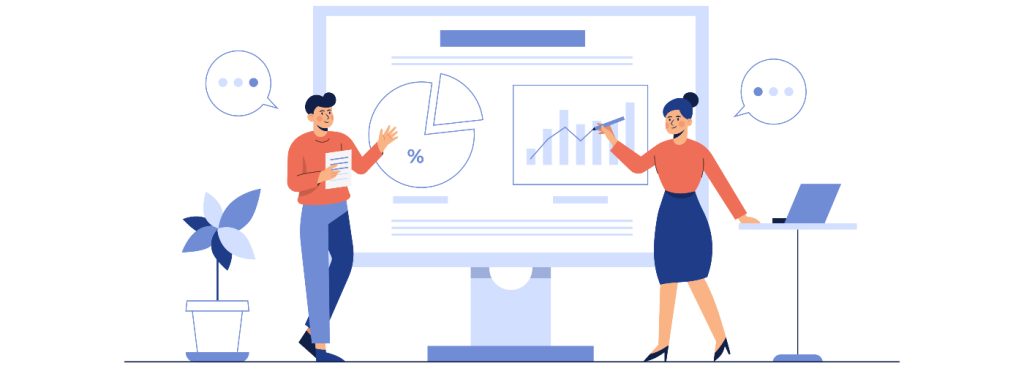
It sounds straightforward, but it’s easy to miss when you’re building slides.
When there’s too much on one slide, people aren’t sure where to focus. Some jump ahead, some skim, and others quietly disengage.
Keeping it to one idea per slide brings clarity. It also makes things easier to follow – especially for someone seeing your content for the first time.
And if you’re trying to cram everything onto one slide, it’s rarely a design problem. It usually means something needs to be trimmed, not squeezed in.
3. Replace Text-Heavy Slides With Visual Anchors
Slides aren’t documents. They’re visual support.
Text-heavy slides tend to lose people quickly. When everything is written out, people stop listening and start reading – often getting ahead of you.
A single chart, image, or simple diagram can do more than a long list of bullet points. The important part is how you use it – visuals should make the idea clearer, not just occupy space.
A quick way to check:
- Does this visual actually help explain what I’m saying?
- Can someone grasp the slide in just a few seconds?
If not, it’s likely better to leave it out.
4. Talk Around the Slide, Not From It
If you’re reading straight off your slides, there’s not much reason for you to be there – and the audience can sense that.
Slides are better used as cues, not a script. Let them guide the flow, but add the meaning in your own words.
That shift does a couple of things:
- People stay with you instead of getting lost in the text
- Your delivery comes across more natural, less scripted.
Even a slight shift away from reading slides can noticeably improve how engaged people stay.
5. Use Real Examples People Recognize
Abstract ideas lose people quickly. Real examples bring them back.
Instead of saying, “This improves efficiency,” show what that looks like:
- A task that used to take three steps instead of ten
- A real customer scenario
- A common workplace frustration everyone relates to
When people recognize themselves in an example, they pay attention. It’s that simple.
6. Change the Pace Every Few Slides
Monotony quickly drains attention.
If every slide looks and feels the same, people start to lose focus—even when the content is solid. One simple fix is to vary the pace on purpose.
Try mixing:
- A visual slide after a text-based one
- A question slide after a data slide
- A brief pause or story after a dense section
These small shifts act like mental resets. They give the audience a reason to stay with you.
7. Design for Skimming, Not Studying
Most people don’t read slides carefully. They skim.
Design with that in mind:
- Use larger fonts than you think you need
- Leave plenty of white space
- Keep lines short and readable
If someone can’t grasp the point of a slide in a few seconds, it’s probably doing too much.
Clear slides feel calm. And calm slides keep people engaged longer.
8. Add a Light Human Moment (Without Forcing Humor)
You don’t need to be funny. You just need to feel human.
A small personal note, a common mistake, or even saying “this part usually trips people up” can make a big difference. It softens the room and makes you easier to relate to.
Forced jokes tend to miss the mark. Genuine moments usually land.
People tend to connect more with someone who sounds genuine than someone who feels overly rehearsed.
9. End Slides With a Clear Takeaway
One common mistake is assuming the audience will figure out what matters most.
They won’t. Help them.
End important slides with a short takeaway:
- “The goal here is speed, not perfection.”
- “This is where most delays actually happen.”
- “If you remember one thing, let it be this.”
Clear takeaways improve retention. They also make your message easier to repeat later – which is often the real goal.
10. Close With a Next Step, Not a Fade-Out
Strong endings matter more than we think.
Instead of ending with “Any questions?” or a quiet final slide, give the audience direction:
- What should they do next?
- What decision needs to be made?
- What should they think differently after this?
A clear next step gives your presentation purpose beyond the room. And it leaves people feeling oriented instead of abruptly finished.
Why These Presentation Hacks Actually Work
None of these presentation hacks is complicated. And that’s the point.
Engagement isn’t really about flashy effects or perfectly polished slides. It’s about being clear, pacing things well, and staying mindful of how much attention people can actually give.
Most people aren’t asking for shorter presentations – they’re asking for ones that are easier to follow.
When you simplify your slides, vary your delivery, and speak like a human, engagement usually follows.
Conclusion
You don’t need to rebuild your entire deck to improve engagement. Try one or two of these presentation hacks in your next meeting.
Open with a better question. Cut a crowded slide in half. Add one clear takeaway.
Over time, these small choices compound. Your presentations become easier to follow, easier to remember, and honestly – more enjoyable to sit through.
And in a world full of distractions, that’s a pretty solid win.




Leave a Reply