Marketing Strategy for Healthcare: What Builds Patient Trust in 2026
Healthcare marketing has changed dramatically over the last decade.
Not long ago, many medical practices relied almost entirely on physician referrals, local reputation, and word of mouth. A patient would hear about a doctor from a friend, family member, or primary care provider and schedule an appointment with little additional research.
Today, the process looks very different.
Before contacting a clinic, many patients read reviews, compare providers, visit multiple websites, browse social media profiles, and search for answers to their health-related questions online. In many cases, patients form opinions about a healthcare organization long before speaking to a doctor or receptionist.
This shift has created a new reality for healthcare providers. Marketing is no longer simply about attracting attention. It is about building trust at every stage of the patient journey.
The most successful healthcare organizations understand that patients are not looking for advertisements. They are looking for reassurance, expertise, convenience, and confidence that they are making the right decision.
That is why an effective marketing strategy for healthcare in 2026 focuses less on promotion and more on creating positive experiences before, during, and after a patient interaction.
Why Healthcare Marketing Is Different
Healthcare is not like retail, hospitality, or ecommerce.
When people buy shoes, they may compare prices. When choosing a physician, specialist, dentist, or therapist, they are often making decisions that affect their health, finances, and quality of life.
Trust becomes the deciding factor.
Consider a patient searching for a dermatologist.
The first clinic has an outdated website, limited information, no reviews, and no online scheduling.
The second clinic provides detailed service pages, physician profiles, patient testimonials, educational resources, and a simple appointment booking process.

Even if both providers offer similar medical expertise, many patients will feel more comfortable contacting the second clinic.
Healthcare marketing is often about reducing uncertainty. Every website page, review, article, and interaction either increases or decreases patient confidence.
Understanding the Modern Patient Journey
One of the biggest mistakes healthcare organizations make is focusing only on appointment generation.
Patients rarely move directly from awareness to booking.
Instead, they follow a journey that often looks something like this:
A patient notices a symptom. They search Google for answers. They read articles, compare providers, check reviews, and visit several websites. Only after gathering enough information do they decide whether to schedule an appointment.

This process can take minutes, days, or even months depending on the service.
For elective procedures, specialty care, and private healthcare services, research periods are often much longer.
Understanding this journey helps healthcare marketers identify where trust is built and where it is lost.
A patient may discover your clinic through search results but leave because the website loads slowly. Another may find your practice through social media but hesitate because reviews are outdated.
Every touchpoint matters.
The 5-Pillar Healthcare Marketing Framework

One reason marketing strategy for healthcare feels overwhelming is that many organizations treat every marketing activity as a separate initiative. SEO belongs to one team, social media to another, and the website becomes an isolated project.
In reality, successful healthcare marketing works as a connected system.
A useful framework is to think about healthcare marketing through five pillars:
1. Visibility
Patients cannot choose a provider they cannot find.
Visibility includes local SEO, Google Business Profile optimization, content marketing, paid advertising, and social media presence. The goal is to appear where potential patients are already looking for answers.
2. Trust
Visibility creates awareness, but trust creates action.
Reviews, provider credentials, patient testimonials, educational content, and a professional website all contribute to patient confidence. Trust is often the deciding factor when multiple providers offer similar services.
3. Conversion
Generating traffic is not enough. Healthcare organizations must make it easy for patients to take the next step.
Clear calls-to-action, online appointment booking, contact forms, mobile usability, and transparent service information all influence conversion rates.
4. Retention
A patient who has already chosen your practice is often more valuable than a new lead.
Appointment reminders, follow-up communication, educational emails, and positive patient experiences help strengthen long-term relationships.
Why Patient Retention Deserves More Attention
Many healthcare organizations focus heavily on acquiring new patients while overlooking the value of existing ones. In reality, retention is often one of the most cost-effective growth strategies available.
Simple actions such as appointment reminders, follow-up emails, preventive care notifications, educational resources, and personalized communication can help strengthen patient relationships over time. Patients who feel supported are more likely to return for future care, leave positive reviews, and recommend the practice to family and friends. Strong retention not only improves patient outcomes but also creates a more stable foundation for long-term growth.
5. Referrals
Satisfied patients become advocates.
Word-of-mouth referrals, online reviews, and community reputation continue to play a major role in healthcare growth. Strong referral systems often reduce the need for aggressive advertising.
The most successful healthcare organizations invest in all five pillars rather than focusing exclusively on traffic or advertising.
Your Website Is No Longer a Digital Brochure

Many healthcare websites still function as if it were 2015.
They provide basic contact information, a short description of services, and little else.
That approach no longer works.
Today, a healthcare website often serves as the first consultation.
Patients want answers before they call.
They want to know:
- What services are offered?
- Who provides treatment?
- What experience do providers have?
- How do appointments work?
- What should they expect during treatment?
- How can they contact the clinic?
A modern healthcare website should make those answers easy to find while incorporating website elements that improve trust and usability, helping patients feel confident about their decision before scheduling an appointment.
Trust Signals That Matter
Patients actively look for signals that indicate credibility.

Some of the strongest trust-building elements include:
- Detailed provider profiles
- Professional photography
- Patient testimonials
- Frequently asked questions
- Educational resources
- Certifications and affiliations
- Secure online forms
- Clear contact information
One common mistake is focusing heavily on design while neglecting usability.
A beautiful website that makes scheduling difficult often performs worse than a simpler website that helps patients quickly find information and book appointments.
Why Mobile Experience Matters
Healthcare searches increasingly happen on smartphones.
Imagine a parent searching for urgent pediatric care while sitting in a parking lot or a patient researching symptoms during a lunch break.
In addition to usability, healthcare organizations should pay attention to website performance and security best practices, as slow loading times and security concerns can negatively affect patient trust.
Mobile responsiveness is no longer a nice feature. It is a basic requirement.
Learning from Successful Healthcare Websites
Large healthcare organizations often provide useful lessons in digital marketing.
Cleveland Clinic
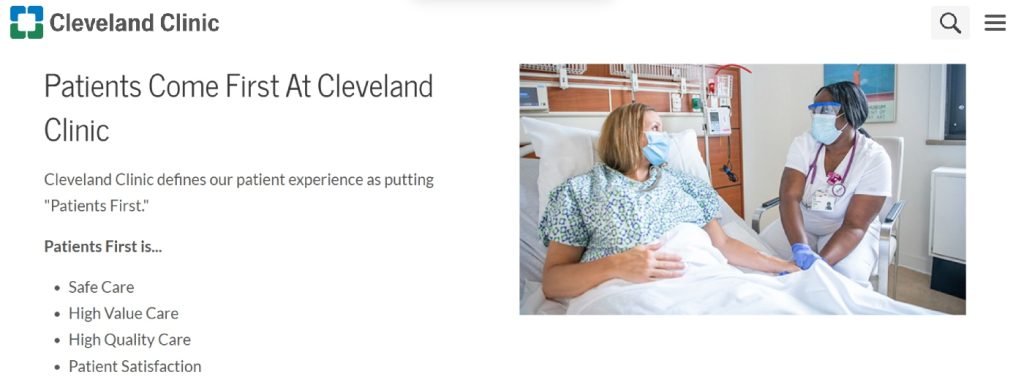
Cleveland Clinic has become one of the strongest examples of healthcare content marketing.
Rather than focusing heavily on promotion, the organization invests in educational content that answers patient questions. Articles, videos, and health resources attract visitors long before they become patients.
Their marketing strategy for healthcare works because it prioritizes usefulness.
Mayo Clinic
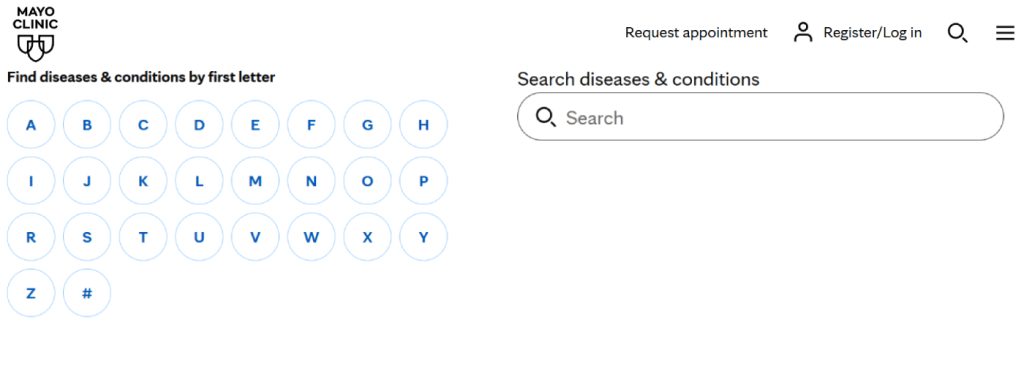
Mayo Clinic demonstrates the power of information architecture and trust.
Its website makes complex medical information accessible while maintaining credibility. Navigation is intuitive, content is well organized, and users can quickly find answers.
One Medical
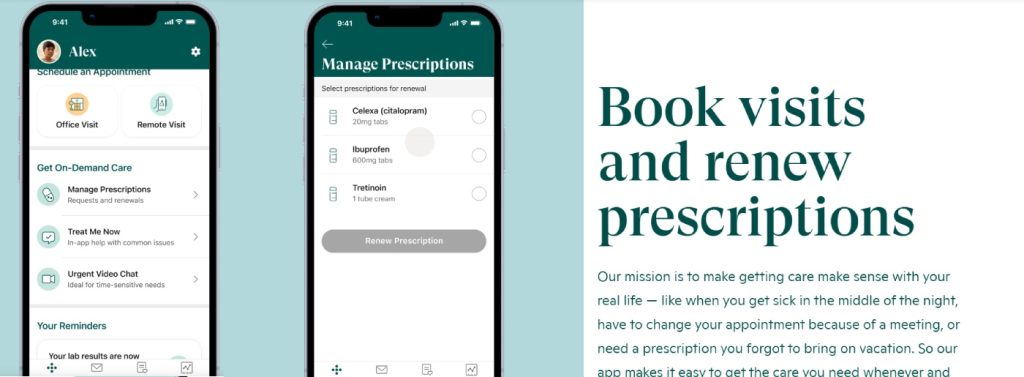
One Medical marketing strategy for healthcare takes a different approach.
Its website emphasizes simplicity, convenience, and user experience. The messaging is clear, appointment scheduling is straightforward, and the overall experience feels modern and approachable.
What Smaller Practices Can Learn
Most healthcare organizations do not have the budget of Mayo Clinic or Cleveland Clinic.
Fortunately, they do not need it.
Patients are not comparing a local dental practice to a global healthcare institution. They are comparing it to nearby competitors.
Smaller clinics can achieve excellent results with professional healthcare website templates that provide mobile responsiveness, provider profiles, service pages, appointment forms, and trust-building design elements without requiring enterprise-level budgets.
For many practices, investing in a professional healthcare website foundation produces better results than spending heavily on advertising alone.
What Smaller Clinics Should Copy
Many healthcare providers assume they need the budget of a large hospital network to compete online. In reality, patients often care more about clarity and convenience than expensive design.
Some of the most effective features smaller clinics can implement include:
- Detailed provider profiles that introduce doctors and specialists.
- Frequently asked questions that address common concerns before patients call.
- Online appointment requests or booking systems.
- Location pages with maps, directions, parking information, and office hours.
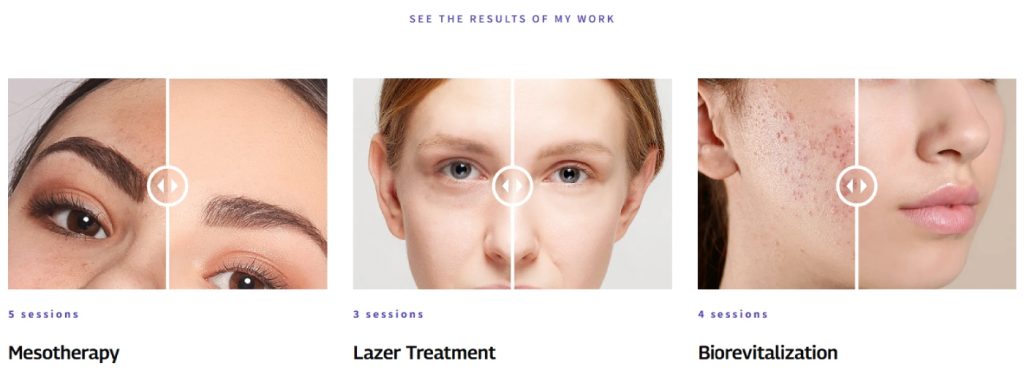
- Before-and-after galleries where appropriate for cosmetic, dermatology, dental, or aesthetic services.
- Patient testimonials and success stories that demonstrate real experiences.
Smaller practices often don’t need enterprise healthcare platforms. A professionally designed healthcare website template can provide many of the trust-building elements patients expect, including provider profiles, appointment request forms, service pages, mobile responsiveness, and clear navigation.
In many cases, improving usability and patient experience produces better results than investing heavily in additional advertising.
The Highest-ROI Healthcare Marketing Channels in 2026

Not all marketing channels deliver equal value.
Healthcare providers often spread resources across too many platforms without understanding which channels influence patient decisions most.
1. Local SEO
Many of the same local visibility principles used in successful marketing strategies for local service businesses can also help healthcare providers strengthen their presence within their communities.
People search for:
- Dentist near me
- Cardiologist in my area
- Physical therapist nearby
When healthcare providers appear prominently in local search results, patient acquisition becomes significantly easier.
2. Reviews and Reputation Management
Patients trust other patients.
Online reviews frequently influence decisions before provider credentials are even reviewed.
A strong review profile can significantly improve conversion rates from website visitors to appointments.
3. Website Optimization
A website influences every other marketing channel.
Paid ads, social media campaigns, referrals, and search traffic often lead visitors to the website.
If the website creates friction, marketing performance suffers.
4. Educational Content
Content marketing works particularly well in healthcare because patients actively seek information. Helpful content creates visibility, authority, and trust simultaneously. Patients researching a specific treatment, such as medication like Wegovy for weight loss, often find providers through the content that answers their questions before they ever pick up the phone.
5. Email Marketing
Email remains valuable for patient education, appointment reminders, and retention.
Existing patients are often easier to retain than acquiring new ones.
6. Social Media
Social media supports visibility and trust, but it rarely replaces the importance of search visibility and website quality.
The most effective marketing strategy for healthcare focuses on education rather than promotion.
Why Traffic Alone Doesn’t Create Patients

One of the most common marketing mistakes is focusing entirely on traffic numbers.
Imagine two clinics.
Clinic A receives 3,000 website visitors each month but generates only 15 appointment requests.
Clinic B receives 1,000 visitors yet generates 40 appointment requests.
At first glance, Clinic A appears more successful. In reality, Clinic B is converting visitors into patients at a much higher rate.
Several factors often explain the difference:
- Faster website performance.
- Simpler appointment scheduling.
- Clear calls-to-action.
- Better patient reviews.
- More detailed service pages.
- Stronger trust signals throughout the website.
This is why website optimization should be considered part of healthcare marketing rather than a separate project.
Many organizations spend significant budgets generating traffic while overlooking the experience visitors encounter after arriving. Improving conversion rates often delivers a higher return on investment than simply increasing traffic volume.
Reviews Are the New Word of Mouth
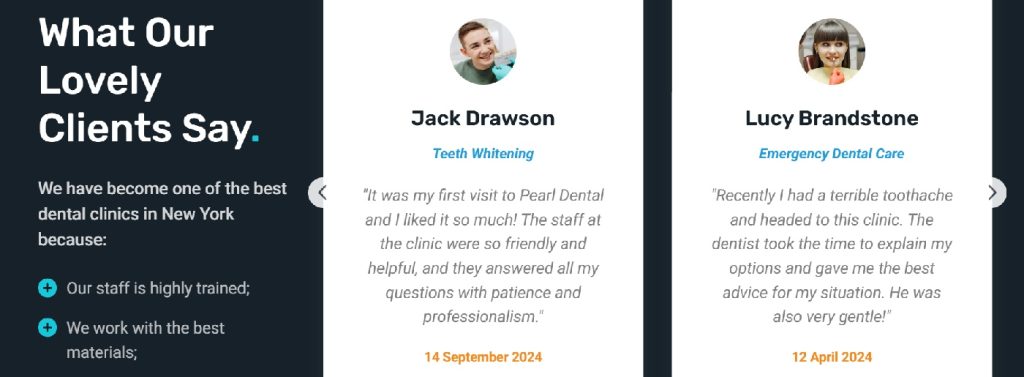
Traditional word of mouth has not disappeared.
It has simply moved online.
When prospective patients read reviews, they are looking for clues about the experience they can expect.
They want to know:
- Was the staff helpful?
- Was scheduling easy?
- Did the provider listen?
- Was communication clear?
Healthcare organizations sometimes obsess over ratings while ignoring patient experience.
The better approach is to focus on delivering excellent care and making it easy for satisfied patients to leave feedback.
Long-term reputation management begins with operational excellence.
Marketing Strategy for Healthcare: Scenario of A New Dental Practice Launch in 2026

Imagine a new dental clinic opening in a competitive city.
Many owners immediately think about advertising.
However, a smarter marketing strategy for healthcare might look like this:
Month 1
Launch a professional website.
Create and optimize a Google Business Profile.
Build service pages and provider profiles.
Month 2
Begin generating patient reviews.
Ensure local citations are accurate.
Improve local SEO visibility.
Month 3
Publish educational content addressing common patient questions.
Examples:
- How often should you get a dental cleaning?
- What causes tooth sensitivity?
- Signs you may need orthodontic treatment.
Month 4
Build community partnerships.
Sponsor local events.
Encourage patient referrals.
This approach builds a sustainable marketing foundation rather than relying entirely on advertising.
Scenario: A New Private Dermatology Clinic
Consider a dermatologist launching a new private practice with a monthly marketing budget of approximately $2,000.
Rather than investing the entire budget in advertising, a phased marketing strategy for healthcare may produce stronger long-term results.
Month 1: Build the Foundation
Launch a professional website with provider profiles, treatment pages, FAQs, and online booking options.
Create and optimize a Google Business Profile.
Month 2: Build Social Proof
Encourage early patients to leave reviews.
Respond professionally to feedback and begin establishing a reputation within local search results.
Month 3: Publish Educational Content
Create content addressing common patient questions such as:
- How often should skin cancer screenings be performed?
- What causes adult acne?
- When should a mole be evaluated?
Educational content can attract prospective patients long before they actively seek treatment.
Month 4: Introduce Retargeting
Many visitors will research providers without scheduling immediately.
Retargeting campaigns can remind previous website visitors about available services and encourage them to return when they are ready to book an appointment.
Over time, this marketing strategy for healthcare builds visibility, trust, and patient acquisition simultaneously rather than relying solely on paid advertising.
What Doesn’t Work Anymore
Healthcare marketing continues evolving.
Some strategies that once produced results now provide very little value.
Buying Followers
Follower counts rarely translate into patient trust.
Engagement and credibility matter far more.
Generic Social Media Posts
Posting generic health quotes every day rarely attracts patients.
Useful content performs better.
Keyword Stuffing
Search engines have become much better at understanding content quality.
Over-optimized pages often perform worse than genuinely helpful content.
Ignoring Reviews
A clinic may provide excellent care, but prospective patients cannot see that without feedback.
Ignoring online reputation has become increasingly costly.
Treating the Website as an Afterthought
A website often determines whether a patient contacts a provider.
Neglecting it can undermine every other marketing effort.
Building a Realistic Healthcare Marketing Budget
Many healthcare organizations ask the same question:
“How much should we spend on marketing?”
There is no universal answer.
However, smaller practices often benefit from allocating resources strategically.
A practical example might look like:
- 40% Website and user experience improvements
- 30% Local SEO and reputation management
- 20% Content creation
- 10% Testing and experimentation
The exact percentages vary, but the principle remains the same.
Invest first in assets you own, particularly your website and reputation.
Advertising becomes more effective once those foundations are strong. In many cases, websites, patient management systems, and marketing tools represent technology decisions that influence long-term organizational growth rather than simple operational expenses.
How to Measure Healthcare Marketing Success
One common mistake is measuring success exclusively through website traffic. While traffic can indicate visibility, it does not necessarily translate into new patients.
Healthcare organizations should focus on metrics that directly reflect patient acquisition and engagement. Useful indicators include:
- Appointment requests and online bookings
- Phone calls generated through marketing channels
- Growth in patient reviews and ratings
- Local search visibility and Google Business Profile performance
- Patient retention and repeat visits
- Referral rates from existing patients
A smaller practice that generates 30 new appointment requests from 1,000 website visitors may be outperforming a competitor that attracts three times as much traffic but converts very few visitors into patients. Measuring outcomes rather than vanity metrics helps healthcare providers make smarter marketing decisions and allocate budgets more effectively.
Conclusion
Healthcare marketing in 2026 is no longer about attracting attention at any cost.
It is about building trust before patients ever walk through the door.
The organizations seeing the strongest results understand that patients evaluate providers long before scheduling appointments. They read reviews, compare websites, search for information, and look for signs that a healthcare provider is credible, experienced, and easy to work with.
That is why the most effective marketing strategy for healthcare combines strong local visibility, patient-focused content, reputation management, and a website designed around real patient needs.
Technology, platforms, and algorithms will continue changing.
Trust will not.
Healthcare providers that focus on making patients feel informed, confident, and supported throughout their journey will remain best positioned for sustainable growth in the years ahead.




Leave a Reply