Marketing Strategy for Restaurant: Drive Repeat Customers in 2026
In 2026, most restaurants are no longer struggling to get attention. They’re struggling to stay memorable after the first visit.
A trendy reel might bring customers through the door once. A viral menu item might generate a busy weekend. But repeat customers — the people who return regularly, recommend the place to friends, and keep the business stable during slower seasons — are built through a very different kind of marketing.
That’s the part many restaurants still underestimate.
Too often, restaurant marketing becomes reactive. Owners jump between Instagram trends, paid ads, influencer collaborations, and discount campaigns without a clear system connecting them. The result is visibility without loyalty. People see the restaurant, maybe even visit once, but never develop a reason to come back.
A strong marketing strategy for restaurant in 2026 looks very different from what worked even a few years ago. Customers now expect:
- a seamless online experience
- quick access to menus and reservations
- consistent branding
- social proof
- convenience
- and increasingly, a sense of personality
Good food alone is rarely enough anymore.
Restaurants are competing on experience, trust, familiarity, and emotional connection just as much as the menu itself. And surprisingly, some of the strongest restaurant marketing today has very little to do with traditional “marketing campaigns.”
Why Many Restaurant Marketing Strategies Still Fail

The problem usually isn’t a lack of marketing effort.
Many restaurants already:
- post constantly on Instagram
- run occasional paid ads
- work with influencers
- offer discounts
- experiment with TikTok content
…and still struggle with retention.
The issue is that visibility alone does not create loyalty.
In practice, many restaurants lose customers after the first visit because:
- the website feels outdated
- menus are difficult to access on mobile
- online ordering is frustrating
- branding feels inconsistent
- there’s no follow-up relationship with customers
The marketing attracts attention, but the experience itself doesn’t give people a strong reason to return.
This matters even more now because customer decisions increasingly happen before someone ever visits the physical location. People compare restaurants through:
- Google Maps
- TikTok
- reviews
- delivery apps
- creator content
And those impressions form quickly.
The Restaurants Growing Fastest Focus on Habits, Not Hype

One of the biggest shifts happening in restaurant marketing is the move away from one-time promotions toward repeat behavior.
Large restaurant brands have already recognized this. Loyalty programs, app engagement, and personalized offers are becoming central growth strategies across the industry.
According to Axios reporting on Chipotle’s updated rewards strategy, the company redesigned its loyalty program to encourage repeat purchasing rather than occasional purchases.
The same principle applies to independent restaurants.
Restaurants that consistently retain customers usually focus on:
- familiarity
- convenience
- emotional connection
- predictable quality
- community
The goal is not simply to generate traffic. It’s to become part of a customer’s routine.
That often happens through smaller operational details rather than massive campaigns.
For example:
- remembering returning customers
- maintaining consistent food presentation
- simplifying reservations
- creating recognizable visual branding
- updating menus seasonally
- improving mobile ordering
Good restaurant marketing supports these experiences instead of trying to replace them.
Your Website Is Still One of the Most Important Marketing Tools

Despite the growth of social platforms, restaurant websites still matter far more than many owners realize.
Social media might get someone interested, but the website is often where they decide whether the restaurant feels trustworthy enough to visit.
And unfortunately, many restaurant websites still create unnecessary friction:
- slow loading
- outdated designs
- broken menus
- poor mobile usability
- confusing navigation
In 2026, customers expect immediate access to:
- menus
- reservations
- delivery options
- opening hours
- location details
If finding basic information becomes frustrating, many visitors simply leave.
This is one reason visually modern, mobile-friendly restaurant websites consistently outperform generic layouts. A clean experience builds trust before customers even arrive.
For restaurants focused on premium branding and visual storytelling, the Luxury Restaurant Website Template works especially well because it prioritizes photography, menu presentation, and reservation flow without overwhelming visitors.
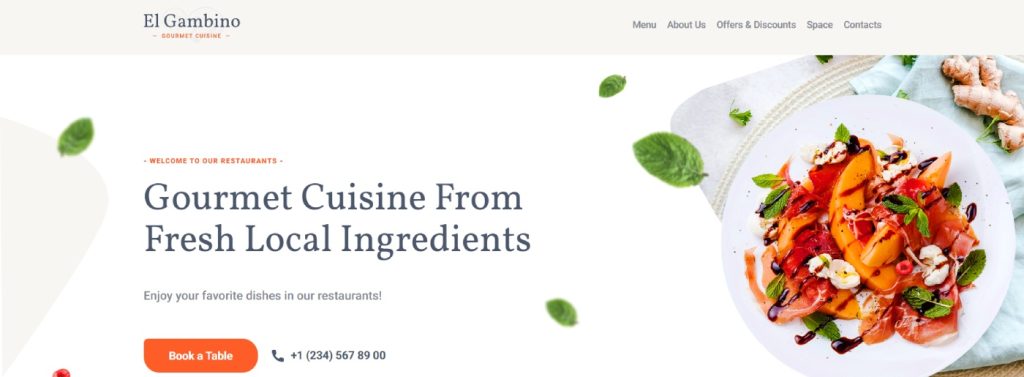
Meanwhile, restaurants with more modern or creative branding may benefit from the Gourmet Restaurant Design Template, which creates a stronger visual identity across both desktop and mobile experiences.
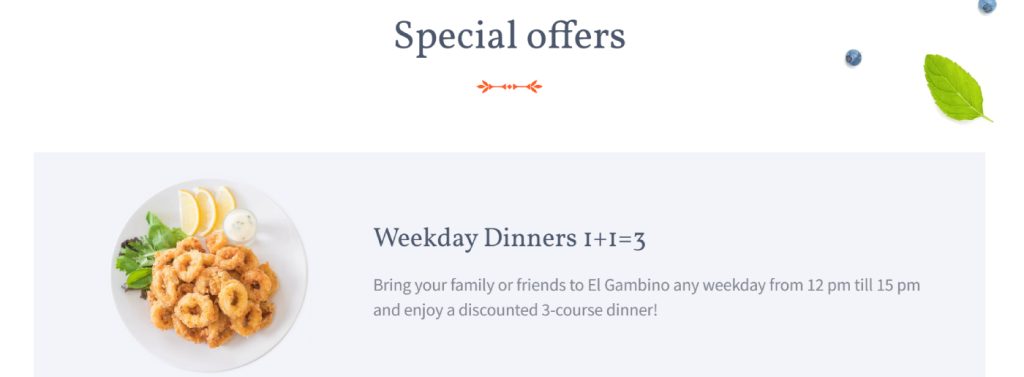
The important part isn’t the template itself. It’s the customer experience the website creates.
Social Media Still Matters — But Not the Way It Used To
A few years ago, many restaurants could grow quickly just by posting attractive food photography.
That’s much harder today.
Consumers scroll through hundreds of restaurant videos every week. Generic content disappears almost instantly. Restaurants now need a stronger identity and personality to stand out.
In practice, the content that performs best now tends to be:
- behind-the-scenes moments
- chef personality
- authentic customer reactions
- preparation process
- local culture
- humor
- storytelling
The most successful restaurant accounts rarely feel overly polished.
Interestingly, restaurants that obsess over “perfect branding” sometimes perform worse than businesses willing to show more human and imperfect moments.
Short-form video continues dominating discovery, especially on TikTok and Instagram Reels. But visibility alone is not enough. Viral videos may increase traffic temporarily, yet many restaurants still struggle to convert that attention into long-term customer behavior.
That’s where operational consistency becomes critical.
In a recent Business Insider interview about Chili’s growth strategy, the company’s leadership emphasized that marketing may bring customers in, but strong operations are what make them return.
That observation applies far beyond major restaurant chains.
Local SEO Quietly Influences More Restaurant Decisions Than Ads

Restaurant owners often underestimate how much customer behavior now begins directly inside Google Maps.
Many diners no longer search for restaurant websites first. Instead, they search:
- “best brunch near me”
- “romantic restaurants”
- “restaurants open now”
- “family dinner places”
The decision is often made before someone visits the website at all.
That means local SEO has become one of the most important parts of a modern marketing strategy for restaurant.
Strong visibility now depends heavily on:
- accurate Google Business profiles
- high-quality photos
- consistent reviews
- updated hours
- active responses to feedback
- local relevance
And importantly, review quality often matters more than perfect ratings.
Customers trust realistic experiences. A restaurant with hundreds of detailed reviews and active management responses usually feels more trustworthy than a business with suspiciously perfect ratings and little engagement.
In competitive US cities, restaurants with active Google profiles, up-to-date photos, and consistent customer reviews tend to appear far more trustworthy before diners ever visit the website.
Loyalty Programs Work Better When They Feel Natural
One mistake many restaurants make is treating loyalty programs as purely discount systems.
Customers rarely become emotionally loyal because of occasional coupons alone.
The strongest loyalty systems today usually focus on:
- convenience
- personalization
- exclusivity
- recognition
- habit-building
For example:
- birthday offers
- early menu access
- personalized recommendations
- member-only specials
- easier reordering
These create much stronger emotional attachment than constant price reductions.
At the same time, restaurants must avoid over-discounting. Constant promotions can unintentionally train customers to wait for deals instead of returning naturally.
The most effective loyalty strategies support customer relationships rather than replace them.
Restaurant Branding Is Becoming More Emotional

One major shift in restaurant marketing is the growing importance of emotional identity.
Customers increasingly choose restaurants based on:
- atmosphere
- identity
- values
- lifestyle fit
—not only food itself.
This explains why:
- merchandise
- collaborations
- local events
- community partnerships
- creator culture
have become increasingly important across the industry.
Recent Business Insider reporting on restaurant merchandise and brand culture also shows how restaurants increasingly rely on emotional branding and community identity to strengthen loyalty.
Restaurants that develop a recognizable personality tend to create stronger long-term engagement.
That personality can come from:
- interior design
- menu storytelling
- local ingredients
- founder visibility
- humor
- cultural references
- consistent aesthetics
In practice, customers return to places where they feel emotionally connected — not simply to places where the food was once acceptable.
Many Restaurants Still Ignore Email Marketing
Email remains surprisingly underused in the restaurant industry.
While social media visibility constantly changes due to algorithms, email still enables direct communication with returning customers.
Restaurants can use email effectively for:
- seasonal menus
- local events
- reservation reminders
- special tasting nights
- loyalty offers
- holiday campaigns
The important part is relevance.
Most people won’t subscribe to restaurant emails just to receive generic promotions. They subscribe when the restaurant consistently provides:
- useful updates
- interesting announcements
- exclusive experiences
- community feeling
Simple automation can also significantly improve retention.
For example:
- follow-up messages after reservations
- birthday campaigns
- reminders for inactive customers
These small touchpoints help restaurants stay visible without constantly relying on paid advertising.
Influencer Marketing Still Works — But Smaller Creators Often Perform Better
Restaurants frequently assume influencer marketing means paying large creators for polished sponsored videos.
In reality, micro-creators often drive stronger local engagement.
Smaller food creators usually have:
- more niche audiences
- stronger local trust
- higher engagement
- more believable recommendations
And importantly, audiences increasingly recognize overly scripted restaurant promotions immediately.
The collaborations that work best today tend to feel:
- spontaneous
- authentic
- location-focused
- experience-driven
Restaurants should also avoid obsessing only over follower counts.
A creator with:
- strong local audience
- high engagement
- relevant demographic fit
can easily outperform larger generic influencers.
The Customer Experience Is the Real Marketing Strategy for Restaurant
One of the most overlooked realities in restaurant marketing is that operations themselves often determine long-term growth more than advertising.
A restaurant can generate massive visibility online and still struggle if:
- wait times are chaotic
- ordering feels confusing
- service is inconsistent
- staff communication feels cold
- food quality changes constantly
The restaurants growing steadily right now usually aren’t the ones chasing every trend. They focus heavily on:
- operational consistency
- customer comfort
- emotional familiarity
- friction reduction
Marketing can amplify a great experience, but it rarely fixes a weak one for long.
This is also why some restaurants with relatively small social audiences maintain extremely loyal customer bases. Their overall experience creates trust and repeat behavior naturally.
What Restaurant Marketing Will Likely Look Like Next
Several trends are already shaping the next phase of restaurant marketing:
- AI-assisted personalization
- stronger loyalty ecosystems
- hyper-local targeting
- creator-led discovery
- immersive visual branding
- experience-focused dining
- operational automation
At the same time, customers are becoming more skeptical of overly polished marketing.
Authenticity matters more than perfection.
Restaurants that balance:
- convenience
- personality
- consistency
- community
will likely continue to outperform businesses that rely only on temporary hype cycles.
And importantly, smaller independent restaurants still have a major advantage in this environment: they can often create more genuine customer relationships than large chains.
That emotional connection is difficult to automate.
Final Thoughts
A successful marketing strategy for restaurant in 2026 is no longer just about getting attention. Most restaurants can generate occasional visibility with enough ads, influencer posts, or short-form videos.
The harder challenge is creating reasons for customers to come back repeatedly.
That usually happens through a combination of:
- strong customer experience
- recognizable branding
- operational consistency
- local visibility
- emotional connection
- convenience
Restaurants that focus only on short-term exposure often struggle with retention. Meanwhile, businesses that invest in trust, familiarity, and friction-free experiences tend to build much more stable long-term growth.
Marketing still matters enormously. But in practice, the strongest restaurant marketing today often feels less like advertising — and more like creating a place people genuinely want to return to.




Leave a Reply