Why Cybersecurity Should Be Part of Your Digital Strategy
It is impossible for any business today to grow without using data tools, which include websites and social media sites, among others. Nonetheless, just as these technologies evolve, the associated dangers become more sophisticated.
With advancements in technology, hackers and fraudsters have become more intelligent, such that a single data breach could spell doom for the reputation as well as trust of a company. For this reason, cybersecurity should form an integral part of your digital strategy and not just something additional.
Why Everyday Users Still Overlook Cybersecurity
Many businesses think cybersecurity matters only to large corporations, but small companies and freelancers are just as vulnerable. Hackers often target them because they usually lack strong protection.
Another common issue is that many users don’t use reliable security tools. For example, not everyone installs antivirus for a Mac, believing Apple devices are immune to threats. This is a risky misconception. While macOS has solid built-in security, it’s not invincible — malware and phishing attacks still happen.
That’s why your digital strategy should also focus on educating clients and employees about safe online habits and ensuring your entire digital environment stays protected.
How Cybersecurity Supports Your Brand and Reputation
In the modern era, trust is considered very important digitally. People believe that their information will be safe once they provide it on your website. If this trust is betrayed by a single breach, it could have a devastating effect on the reputation of your brand.
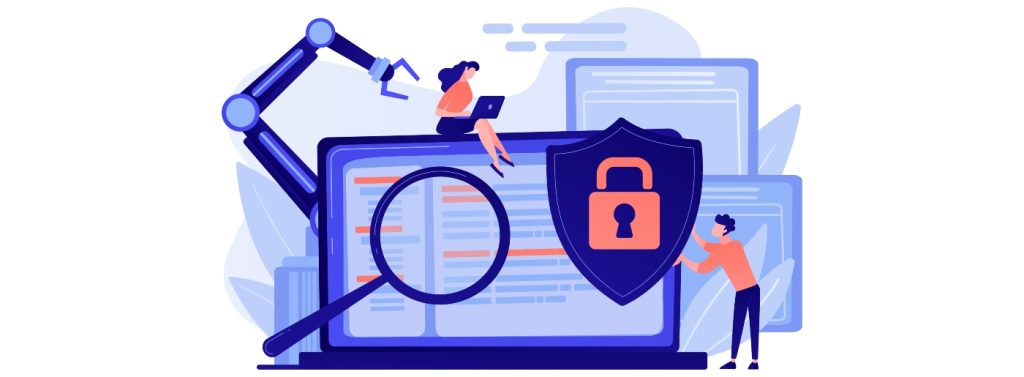
When you integrate cybersecurity into your digital plan, you communicate to clients that their data is important. As a result, this enhances customer loyalty, improves public perception, and distinguishes you from insecure rivals. With a secure online visibility, all you are telling the users is that their data is safe with you.
Cybersecurity and SEO — The Hidden Connection
The close relationship between cybersecurity and SEO may come as a shock to you. Secure websites get better rankings on Google. Websites without HTTPS or those affected by malware get lower rankings. In other words, you could have the most amazing content and design, but if your site is not safe, then it would all be in vain because it will not be able to rank well.
Essential cybersecurity steps for better SEO:
- Use SSL certificates to encrypt data.
- Keep your CMS and plugins updated.
- Protect against spam and phishing.
- Back up your website regularly.
The Role of Employees and Education
The human factor is typically considered the most vulnerable point in breaking through a company’s data system security. The fact of the matter is, however, that all these up-to-date firewalls – not to mention any other highly-rated antiviruses – can be bypassed with one simple click on a fraudulent email or by using an extremely insecure password.
This is where education comes in. Train your staff on how to spot dangers and make sure they know the rules for data safety and using company tools. Teach them to use two-factor sign-in (2FA) and password keepers, along with having the best online safety steps.
The Importance of Incident Response Planning
Although systems may have very good defense mechanisms, they are still susceptible to cyber-attacks. As a result, it is important for all companies to develop an incident response strategy. This should outline how breaches are identified and communicated, what steps should be taken to contain them and their effects on the business, and how normal operations can quickly be resumed. In case of any uncertainties, if employees can act appropriately at such times, then the organization will be able to decrease economic loss, uphold its reputation, and keep customers’ trust.
Integrating Cybersecurity into Your Marketing and Design Strategy
Many businesses focus on digital marketing and web design but overlook the security aspect during the creative process. A beautiful website is worthless if it’s not safe for users to interact with.
When developing your digital strategy, consider the following checklist:
Cybersecurity Integration Checklist:
- Secure Hosting: Choose reputable hosting providers that offer built-in protection and monitoring.
- Regular Backups: Ensure automatic daily backups for easy recovery.
- HTTPS and SSL: Always use encryption to protect customer data.
- Software Updates: Keep your CMS, plugins, and themes up to date.
- Access Control: Limit admin access and use strong authentication.
Cybersecurity as a Business Investment, Not a Cost
Many entrepreneurs think that investing in cybersecurity is not worth it. However, this investment is actually cost-effective in the long run. Precisely, the cumulative costs of data breaches recovery, such as legal expenses, lost clients, and customers, and downtime, are way higher than what would have been spent in preventing the breach in the first place.
If you integrate cybersecurity measures into your business digital strategy, it would ensure uniformity, instill confidence, and facilitate the growth of the business. It is comparable to taking a cover for your digital property that protects every input used in designing it.
Future Trends: Cybersecurity in the Age of AI and Remote Work
With the expansion of technologies such as AI, IoT, cloud platforms, and remote work environments, it has become increasingly difficult to identify and respond to cyber threats. Today, attackers use artificial intelligence for various purposes, including developing sophisticated phishing scams, creating deepfake scams, and developing automated malware that learns and evolves over time. This is compounded by the fact that more endpoints and devices are now in use due to remote work, reducing the effectiveness of conventional network security measures.
To combat this, businesses have had to adopt new approaches, including artificial intelligence for threat monitoring, a zero-trust model, biometrics to verify identities, and secure remote solutions. As a result, these answers will also improve customer and partner trust over the long term, while helping identify and address such hazards in a timely manner. Today’s businesses that embrace this technology will have greater immunity from future cyber threats.
Conclusion: Build Security Into Your Digital DNA
Cybersecurity is no longer just an IT issue but rather a significant business concern today. Securing your online assets, including marketing and web design, is vital. By ensuring your website is secure and teaching others to follow best practices, you can make a statement in the marketplace.
In a trusting society, every individual is under threat from hackers on the digital level, and this is how cybersecurity is seen today – as a personal digital issue, not just something that can keep “bad guys” away from you.
For more information, check our article Why Businesses Should Consider Cybersecurity in Digital Marketing.





Leave a Reply