How Wearable AI Is Reshaping the Future of Content Creation
Content creation used to be tied to a fairly predictable set of tools: a camera, a laptop, editing software, and eventually a smartphone. Today, that toolkit is expanding again.
Wearable artificial intelligence is beginning to change how people capture ideas, document experiences, communicate with audiences, and create digital content throughout the day. Instead of stopping to pull out a phone every time inspiration strikes, creators can increasingly interact with technology through voice commands, cameras, audio, and AI built into devices they are already wearing.
This shift does not mean smartphones or professional cameras are disappearing. Instead, wearable AI is creating another layer of content creation—one that is faster, more spontaneous, and often more connected to the creator’s actual point of view.
Content Creation Is Becoming More Hands-Free
One of the most noticeable changes is the move toward hands-free creation.
Smartphones made photography and video dramatically more accessible, but they still require users to physically hold a device, open an app, frame a shot, and interact with a screen. That process can create distance between the creator and the experience being documented.
Wearable devices can reduce some of that friction.
AI glasses, microphones, earbuds, and other connected devices allow creators to perform certain tasks with voice commands or simple gestures. This can be particularly useful when someone’s hands are occupied while cooking, traveling, exercising, demonstrating a product, or working on a project.
The result is not necessarily better content automatically. What changes is the opportunity to capture moments that might otherwise be missed.
First-Person Content Feels More Natural
Audiences have become accustomed to highly polished social media content, but personal and immediate content can offer a different kind of appeal.
Wearable cameras make first-person perspectives easier to capture because the recording device follows the creator’s natural line of sight rather than sitting several feet away on a tripod.
Imagine a chef documenting a recipe from their own perspective, an artist showing how a piece develops, or a traveler recording a walk through an unfamiliar neighborhood. The viewer sees something closer to what the creator actually sees.
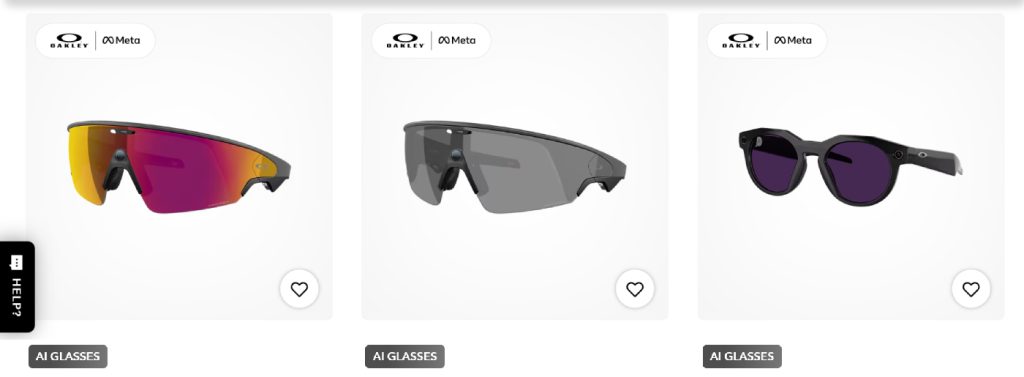
Devices such as Meta glasses illustrate how cameras, microphones, open-ear audio, voice controls, and AI assistance can now be incorporated into everyday eyewear. This type of design allows users to capture photos or video without constantly reaching for a separate camera.
For creators, that can make documenting everyday experiences feel less disruptive.
AI Can Become Part of the Creative Process
The camera is only one part of the change.
Artificial intelligence is increasingly becoming involved before, during, and after content is created. This is part of a broader shift toward AI website improvements, where AI can assist with content, personalization, search, analytics, and other parts of the digital experience.
Creators already use generative AI to brainstorm headlines, prepare scripts, organize research, generate captions, translate text, and develop content calendars. Wearable AI makes it possible to access some forms of assistance without sitting in front of a computer.
For example, a creator exploring a new city might use an AI assistant to identify something they are looking at, translate information, or answer a quick question. That information could later become part of a video, article, social media post, or travel guide.
This creates a more fluid relationship between research and creation. Instead of separating the two activities, creators can gather information while experiencing the subject firsthand.
Capturing Ideas Before They Disappear
Not every useful piece of content begins as a carefully planned campaign.
Sometimes it starts with a sentence someone thinks of while walking, an interesting scene on the street, a customer question, or an observation during an event.
The problem is that these small ideas are easy to forget.
Wearable technology may help shorten the gap between having an idea and recording it. Voice-enabled devices can make it easier to capture notes, communicate, or document something without stopping an activity entirely.
For writers, marketers, business owners, and independent creators, this can be surprisingly valuable. A quick observation recorded during the day can later become a blog post, newsletter topic, short video, or social media idea.
Behind-the-Scenes Content Becomes Easier
Behind-the-scenes material is a popular way to show audiences the process, not just the finished result.
Wearable cameras are particularly well suited to this style of content.
A furniture maker could document part of the building process. A fitness instructor could show how they prepare a class before participants arrive. A designer could record parts of a studio session. A small business owner could capture event or product-launch preparations.
Because wearable cameras can record from the user’s point of view, creators don’t always need someone else behind a camera. A pair of camera glasses can keep both hands free while allowing creators to capture selected moments from their own point of view.
That does not eliminate traditional production. Carefully composed photography, controlled lighting, dedicated microphones, and professional editing remain essential when quality is the priority.
Wearables simply provide another option when authenticity and immediacy matter more than perfect production.
Less Screen Time During the Experience
There is an interesting tension in modern content creation: creators are often supposed to document an experience while simultaneously experiencing it.
At a concert, sporting event, vacation destination, or conference, it is easy to spend more time looking at a phone screen than at what is actually happening.
Wearable technology may help reduce that behavior in some situations. When users can perform basic actions through voice or a quick control, they may not need to keep a screen in front of them.
For creators whose work depends on documenting real-world experiences, this could make technology feel somewhat less intrusive.
However, responsible use still matters. Creators should stay aware of those around them and respect privacy, venue policies, and local rules when recording.
Wearable Content Raises New Privacy Questions
Convenience also brings responsibilities.
As cameras and microphones become integrated into everyday objects, it may become less obvious when someone is recording. For example, current Ray-Ban Meta glasses include a front-facing capture LED that signals when photos or videos are being recorded.
Technology alone does not solve every privacy concern, though.
Creators should think about consent, especially in private locations or when identifiable people become the main subjects of a recording. Businesses using wearable devices may also need clear internal policies covering customer privacy, employee use, data handling, and where recording is appropriate.
As wearable content creation becomes more common, digital etiquette will likely evolve alongside the technology.
Smartphones Are Not Going Away
It is tempting to describe every new device as a smartphone replacement, but wearable AI is more likely to complement existing tools.
Phones remain better suited to detailed editing, reviewing footage, managing multiple apps, publishing content, and performing complex tasks. Professional cameras remain valuable when creators need precise control over framing, lenses, lighting, and image quality.
Wearables serve a different purpose.
Their advantage is immediacy.
They can make technology available during moments when reaching for a phone or setting up a camera would interrupt what is happening.
A More Ambient Future for Content Creation
The most important change created by wearable AI may not be a single feature. It is the gradual movement of technology away from the screen and into the environment around us.
For content creators, this means the creative process could become increasingly continuous. Creators may capture footage, gather information, record ideas, communicate, and receive AI assistance as they move naturally through their day.
The fundamentals of good content will remain the same. Audiences will still value useful information, strong storytelling, originality, and authenticity.
What is changing is how creators collect the raw material for those stories.
As wearable AI becomes more capable and less intrusive, content creation may feel less like stopping life to document it—and more like capturing useful moments as they naturally happen.





Leave a Reply