How End-to-End Testing Improves Website Quality During Development
Creating a site now? You’d better focus on speed, clear menus, and solid features right away. People want things to work well – no surprises. When stuff glitches, they lose faith fast, so check every step as you go.
Testing everything from start to finish lets teams catch minor flaws early, preventing them from becoming major issues. When one piece connects with another on a site, seeing how they interact simplifies launching something solid – without hiccups or rushed fixes at the end.
What Is End-to-End Testing?
Before going further, knowing what end-to-end testing really is makes things clearer, also where it sits in building software. This approach evaluates how all components interoperate by simulating user actions.
- It checks every step a person takes, start to finish.
- Looks at the entire site rather than just bits and pieces.
- It tests how well the built-in parts work when combined.
- It shows how real users handle actions.
Not like unit tests that focus on single pieces, end-to-end checks cover the whole path – say, someone signing up, getting a confirmation, logging in, then using their dashboard. Instead of just pairing parts, it shows if everything runs smoothly together. Once this complete sequence clicks, crews can push ahead without second-guessing each step.
This broad view is what makes end-to-end testing such a powerful tool during web development.
Why Website Quality Matters During Development
Website quality shapes how well it works plus runs. Problems cost more to resolve later, especially as work progresses. Catching things early helps developers stay ahead.
For starters, folks want things to work without hiccups. One glitchy button or unclear action might make them quit on the spot. Next up, how fast and steady a system runs weighs just as heavily as how it looks. Pages that crawl or act unpredictably tend to wipe out confidence in no time. Folks, how well a site works shapes how people see the whole company. Spotting glitches while building it – rather than later – helps squads move faster and keeps visitors from getting annoyed.
Folks need to keep quality front and center every step of the way, not just when wrapping things up. Since teams run regular tests – like full-path checking – they catch glitches early, so nothing snowballs by launch day.
Key Benefits of End-to-End Testing in Website Development
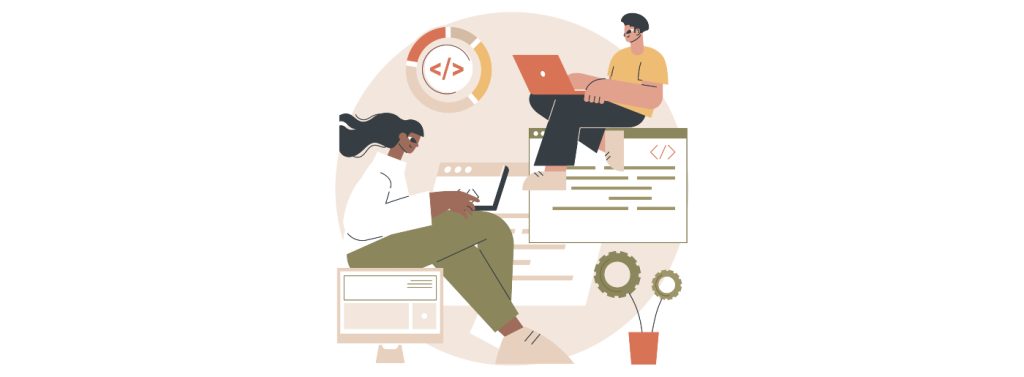
Testing from start to finish offers solid benefits – boosting how teams build sites while keeping quality strong right from the beginning, all the way to launch. These points show how this method leads to smoother, more dependable outcomes that people can rely on.
Detects Functional Issues Early
Testing everything from start to finish lets teams catch glitches fast – like during sign-up, paying, or sending a form – before things go live. Even small tweaks somewhere, say in how people log in, might affect other parts of the system; if you don’t test the whole path, those hiccups stay hidden until users hit them. Finding flaws sooner means less fixing down the road, so work keeps flowing smoothly without scrambling at the end.
Ensures Smooth User Experience
A smooth ride keeps people interested, so teams use full-path checks to make sure each move feels natural. These tests look at menus, forms, alerts, plus how pages shift – no matter the device or browser used. With folks jumping from phone to desktop daily, steady results build trust over time. When you test often, surprises like delays or glitches show up early – before real users hit them.
Validates Integration Between Components
Websites run using different pieces – like APIs, databases, or outside tools – that need to sync up smoothly; end-to-end checks make sure they actually do. A form might appear fine when filled out, yet the info never lands in storage, so users won’t see it later on their screens. Testing from start to finish shows where data slips through cracks across layers, revealing problems unit tests miss since everything’s checked alone otherwise – it keeps the full setup working like one team.
Enhances Developer Confidence
Developers feel surer about their code once full-cycle tests show key actions still run smoothly after changes or rewrites. Since core processes are checked constantly, squads can try bolder ideas while shipping fresh tools, without worrying about breaking existing components. That backup lowers pressure at launch – there’s solid proof main routes behave right, which means fewer snags in rollout plus quicker turnarounds.
Improves Collaboration Between Teams
End-to-end tests boost teamwork since devs, testers, and product leads all get clear insight into how the site works overall. Because everyone checks identical outcomes and watches real user paths, discussions become smoother, choices happen quicker, yet focus stays sharp. With this common view, the group leans toward better standards naturally, while making dev work more joined-up, less messy.
These perks add up, turning end-to-end testing into a smart move for nearly every dev process – boosting not just the software but how teams work together.
How End-to-End Testing Fits Into the Development Cycle
An end-to-end testing tool works best if you start early, weaving it into each phase of building software. Rather than saving it for last, devs gain more by checking full workflows whenever fresh code arrives. That way, they can spot if a small change messes up core actions users take. Running these checks during feature work surfaces issues immediately. This way, issues get spotted early – before they turn into real headaches. Plus, things keep moving smoothly since checks happen all the time, making sure the site stays solid while new bits are added or tweaked.
This way of testing works well with ongoing build and release setups. Every time coders add updates, automatic systems can run full-cycle checks that mimic real user actions from beginning to end. If something fails, the group receives immediate alerts and can resolve issues before merging code into the primary version. Using a tool that makes tests clear and easy to update boosts reliability between versions. Over time, weaving comprehensive testing into every stage of creation creates a steadier routine, reduces rush fixes, and generally makes rollouts easier.
Best Practices for Implementing E2E Testing
Setting up solid full-chain checks means thinking ahead plus sticking to routines that pay off over time. These moves let groups avoid common issues, so tests keep working when the site goes down. Here’s a clear no-fuss list to stick with:
- Begin checking things early while building, so problems don’t stack up or turn into a mess later on.
- Focus on key tasks first – skip testing every detail right away.
- Make test steps clean, straightforward – so they’re simple to tweak later on. This keeps upkeep doable without hassle.
- Use automated tests alongside hands-on checks to handle routine tasks while exploring new issues.
- Try a full-cycle testing app that makes building tests simple while handling UI shifts smoothly – since it adjusts on its own when things change around.
Using these methods, teams create a solid foundation for testing, which keeps things steady throughout development. One step at a time, it holds up well no matter what changes come along. Each practice adds strength without slowing progress down. Stability grows naturally when routines are clear but flexible.
Common Challenges and How to Overcome Them
Each test round comes with its own roadblocks – end-to-end tests included. Knowing typical issues helps tackle them fast, so things run smoothly. The sections ahead explain each problem clearly while offering practical solutions along the way.
Test Maintenance
Frequent layout tweaks tend to break tests when they depend on fragile components, creating extra hassle and slowing development. A smarter move? Relying on solid identifiers, straightforward actions, or adaptable strategies centered around what users actually want instead of exact screen layouts.
Slow Test Execution
When test groups get bigger, they often slow down work – this breaks the team’s flow. Fixing it means testing at the same time across systems, cutting out extra steps, and focusing on what matters most to control how long things take.
False Positives
False positives occur when tests fail due to environmental issues instead of actual bugs, often leading to confusion and wasted time. Maintaining a consistent testing environment and integrating tests into the deployment pipeline helps ensure that results remain accurate and predictable.
Preventing common issues by applying the fixes mentioned helps teams keep their end-to-end testing steady and reliable.
Conclusion
Testing from start to finish is essential when building solid websites. Checking the entire user path reveals issues earlier, keeping the site running smoothly across all sections.
Teams that use regular testing during development usually see faster launches, fewer production errors, and greater trust in their work. Adding full-cycle checks to everyday tasks brings a steadier way to ship stable, easy-to-use sites.
Check our article How to Build An End-to-End AI Strategy For Your Website and check key steps for seamless integration.




Leave a Reply