Local Link Building Tips to Improve Your Google Maps Rankings
When potential customers search for businesses near them, appearing at the top of Google Maps can make or break your local success. While many business owners focus solely on Google Business Profile optimization, a powerful strategy often overlooked is local link building. These strategic connections can dramatically boost your visibility in local search results and help you dominate your competition.
What Is Local Link Building?
Local link building involves acquiring backlinks from websites within your geographic area or industry niche that signal to Google your business is legitimate, trustworthy, and relevant to local searchers. Unlike traditional SEO link building that focuses on domain authority, local link building prioritizes geographic relevance and community connections.
Around 8 in 10 U.S. consumers search online for local businesses at least once a week, and roughly one-third (32%) do so daily or multiple times a day.
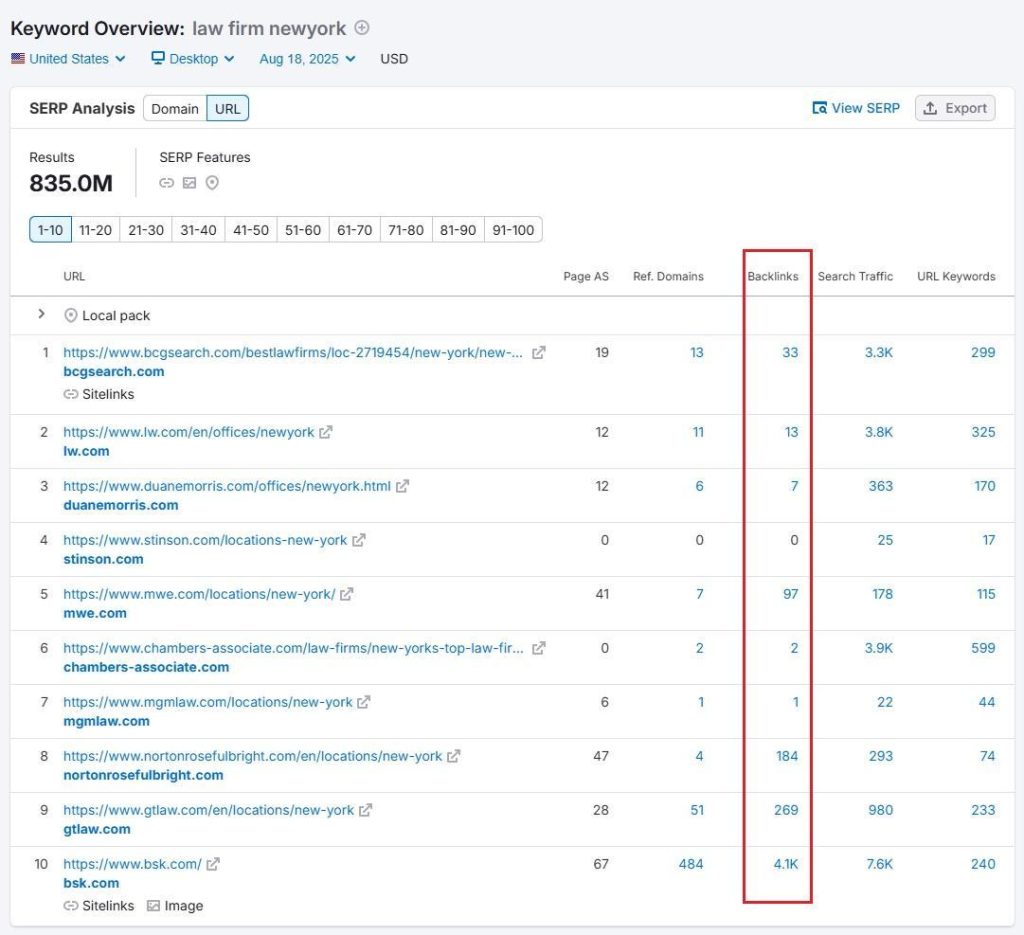 Google Maps rankings depend heavily on three core factors: relevance, distance, and prominence.
The connection between local SEO, Google Maps rankings, and link signals creates a powerful synergy. Quality local backlinks not only improve your website’s authority but also reinforce your business’s local relevance signals. This dual benefit helps your business appear more prominently in both organic local search results and the coveted Google Maps pack.
Why Local Link Building Matters for Google Maps Rankings
Google’s algorithm considers local link signals as strong indicators of business credibility and community involvement.
When established local organizations, chambers of commerce, or community websites link to your business, it validates your local presence beyond just your Google Business Profile listing.
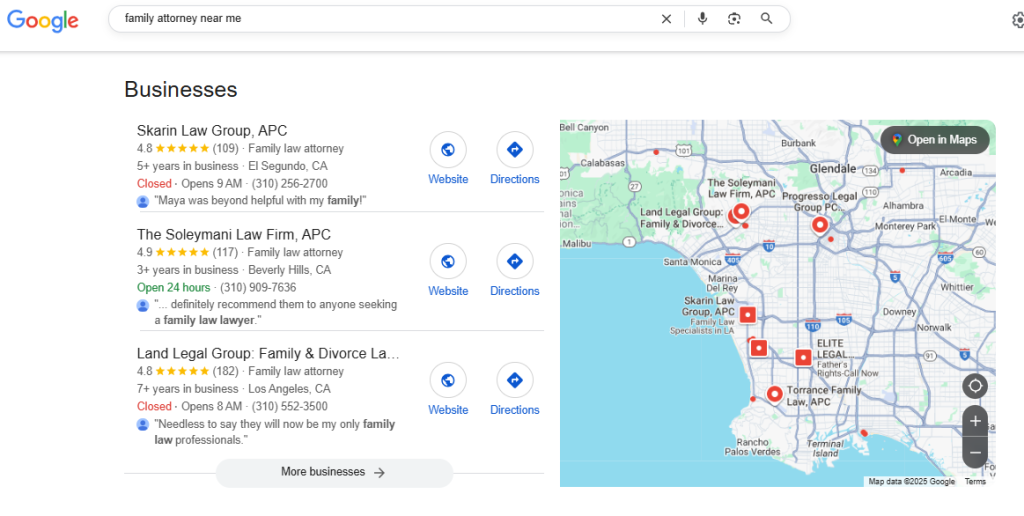
Local links also help Google understand your business’s geographic context and service area. A bakery with links from local food blogs, community event pages, and neighboring restaurants sends clear signals about its location and industry relevance. This geographic clustering of link signals strengthens your local search authority.
These local links also enhance your business’s prominence by demonstrating that you are well-known and trusted within your community. When local websites, organizations, and businesses link to your site, Google interprets these as votes of confidence from your geographic area. Prominence is a key local SEO factor, as Google favors businesses that are recognized and referenced frequently in their area.
Furthermore, local links often come with additional benefits like referral traffic from engaged local audiences. Unlike generic backlinks, local links connect you with people who can actually visit your physical location or use your local services, making them valuable for both SEO and business growth.
Are Local Links Even Relevant For AI Search?
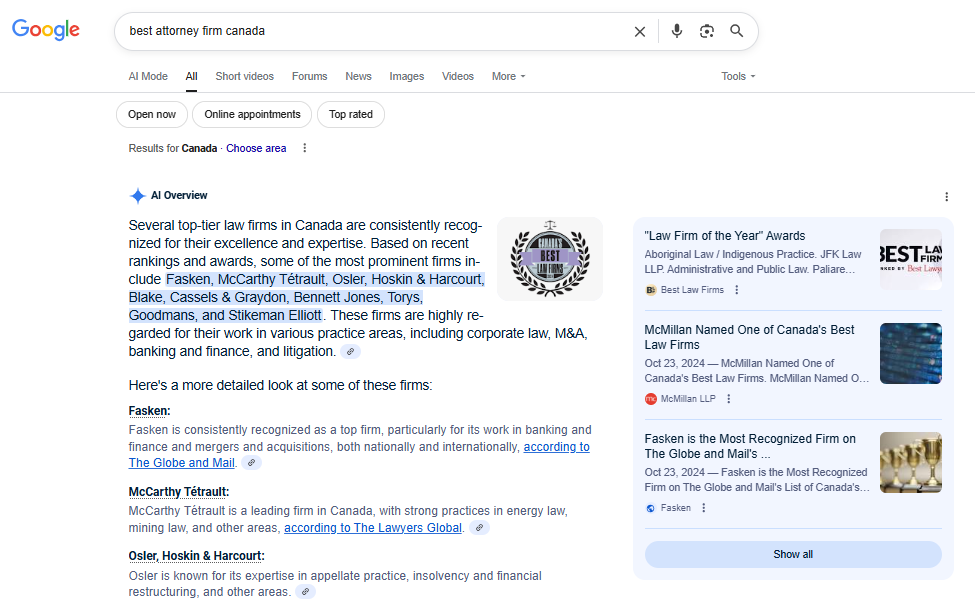
With AI transforming the way search results are generated, some wonder if local links have lost their power. Surprisingly, they’re not just surviving; they’re evolving into a key factor for credibility, visibility, and local authority in the AI-driven search era.
AI Needs to Cite Its Sources
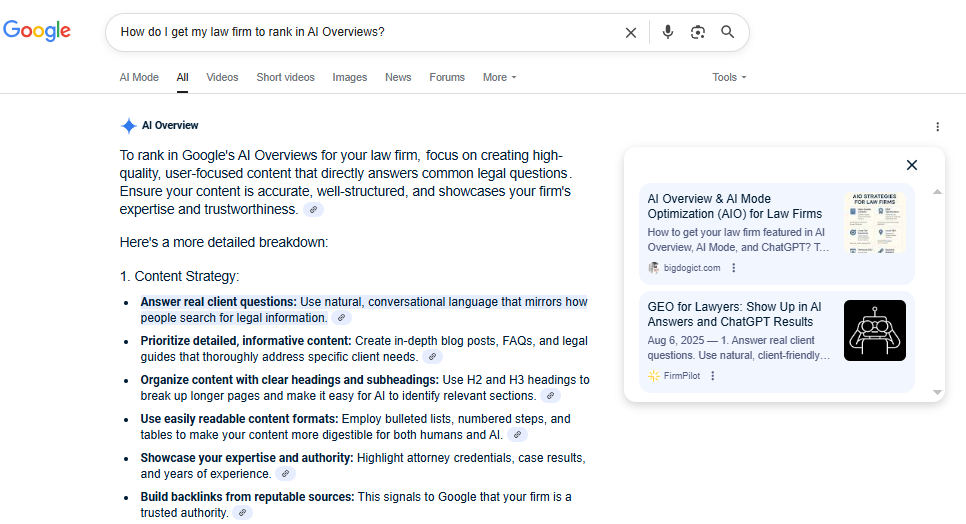
As artificial intelligence becomes more prevalent in search results, the need for credible sources has intensified.
AI search engines must reference reliable, authoritative sources when providing answers to local queries.
Businesses with strong local link profiles are more likely to be cited as trustworthy sources for local information and recommendations.
E-E-A-T Has Become Paramount
Google’s emphasis on Experience, Expertise, Authoritativeness, and Trustworthiness (E-E-A-T) has made local credibility signals more important than ever.
Local links from established community organizations, chambers of commerce, and long-standing local businesses demonstrate real-world expertise and trustworthiness that AI systems value when evaluating local business credibility.
Human Curation as a Differentiator
While AI can process vast amounts of data, human-curated local connections provide authentic validation that algorithms respect.
Local business associations, community groups, and regional publications offer human oversight and editorial judgment that AI systems recognize as quality signals, making these links particularly valuable for local search rankings.
14 Local Link Building Tips to Improve Google Maps Rankings
Submit Your Business to Reputable Local Directories
Start with established platforms like Yelp, Yellow Pages, Better Business Bureau, Angi, Manta, and Foursquare. These directories carry significant local SEO weight and often rank well in local search results themselves.

Source: https://www.brownbook.net/
Ensure your business name, address, and phone number (NAP) information remains consistent across all directory listings with your Google Business Profile. Ignoring NAP inconsistencies across listings creates confusion for both customers and search engines, potentially hurting your rankings.
Prioritize region-specific directories and niche-specific platforms relevant to your industry. A restaurant should focus on dining directories, while a contractor might target home improvement platforms. Avoid low-quality or spammy directories, as they can hurt your credibility and SEO performance. Quality over quantity always wins in local link building.
Join Your Local Chamber of Commerce

Source: https://lacba.org/
Chamber of Commerce memberships typically include a high-authority backlink from their member directory. These organizations often have strong domain authority and deep local credibility that translates into valuable link equity.
Beyond the SEO benefits, chamber membership builds genuine local trust and visibility within the business community. This can lead to additional partnership opportunities, referrals, and networking connections that generate more local links naturally. However, don’t forget to update or optimize your Google Business Profile alongside your Chamber listing to maintain consistent local signals.
Partner with Local Bloggers or Micro-Influencers
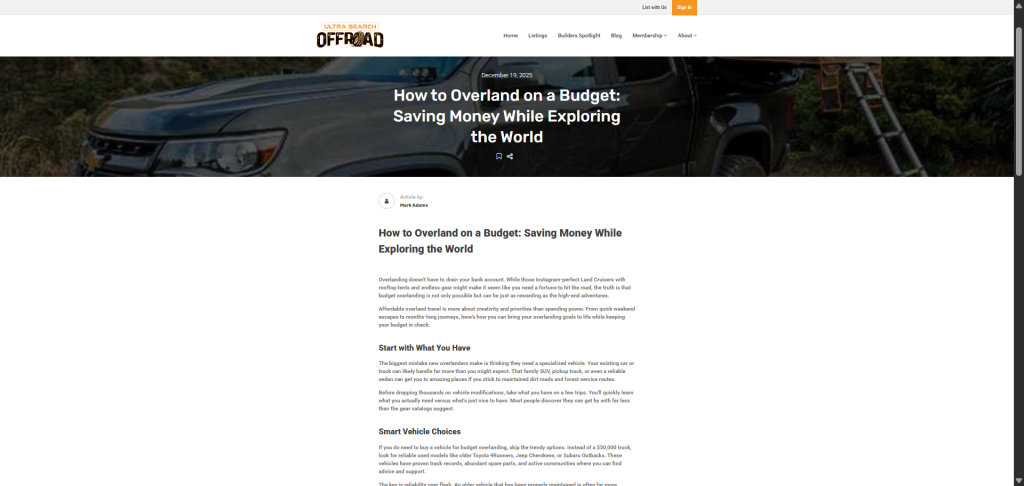
Source: PeakGear Guest Post
Collaborate with local content creators on guest posts, business spotlights, or area guides. Local bloggers often have engaged audiences specifically interested in area businesses and recommendations. Collaborating with micro-influencers can also help you tap into niche local followings and build trust quickly.
These partnerships can include mutual guest posting opportunities, joint content creation, or simple business features. The key is building genuine relationships rather than purely transactional link exchanges.
Avoid building irrelevant backlinks that aren’t location or industry-specific, as this weakens your local SEO authority.
Sponsor or Participate in Local Events or Charities

Source: California Lawyers Foundation
Event sponsorships often come with website mentions, program listings, and media coverage that generate quality local backlinks. Community involvement also enhances your business’s local reputation and trustworthiness.
Look for recurring annual events, charity fundraisers, or community festivals where your business can provide meaningful support. The resulting links from event websites, press releases, and local media coverage can significantly boost your local authority.
Dissect Competitor Backlink Profile
Analyze where your successful local competitors are getting their backlinks using tools like Ahrefs, SEMrush, or Moz.
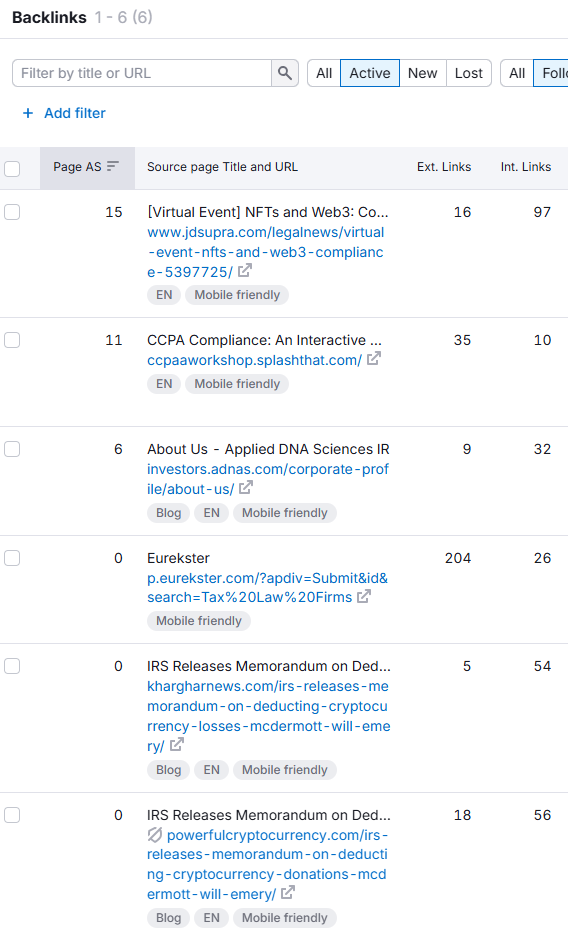
Enter your competitor’s website into these tools’ “Site Explorer” or “Backlink Analytics” features to view their complete backlink profiles. Sort by referring domains to identify high-authority local links and filter for “.edu” or local directories relevant to your industry.
Look for patterns in their local link sources and identify opportunities you might have missed. For example, if multiple competitors are listed on a regional industry association site you’re not on, that’s a priority opportunity.
Focus on local directories, community organizations, and industry associations where competitors have listings, but you don’t. This competitive analysis can reveal valuable local link opportunities specific to your market and industry.
Tools like BrightLocal and Whitespark can also help scan competitor citations and NAP consistency for local SEO insights.
Offer Local Scholarships or Internship Programs
Educational institutions often link to scholarship providers and internship sponsors from their websites. These .edu domain links carry significant authority and demonstrate community investment.
Even small scholarship amounts can generate valuable local press coverage and educational institution links. Partner with local high schools, community colleges, or universities to create meaningful educational opportunities while building local authority.
Get Featured in Local News Outlets or Business Journals
Pitch newsworthy stories about your business to local journalists and bloggers. Focus on community impact, unique milestones, innovative services, or local economic contributions rather than purely promotional content.
Local media outlets actively seek local business stories, especially those with community angles.
A grand opening, anniversary celebration, or community service initiative can all generate valuable local media coverage and backlinks.
Create Testimonials for Local Partners or Vendors
Offer detailed testimonials for local suppliers, service providers, or business partners. It’s common for businesses to highlight customer testimonials on their websites and include a backlink to the company that shared the review.
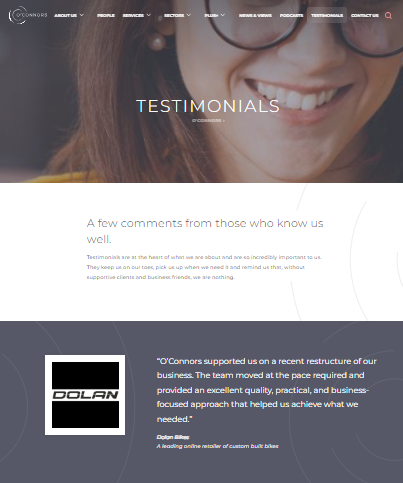
Source: O’Connors
Focus on businesses that serve your industry or local area. A genuine, detailed testimonial about their service quality can result in a valuable local backlink while strengthening business relationships.
Collaborate on Local Guides or Resource Pages
Partner with complementary local businesses to create comprehensive local guides or resource pages.
A “Complete Guide to Downtown [Your City]” featuring multiple local businesses can generate links and social shares from all participants.
These collaborative content pieces benefit everyone involved while providing genuine value to local residents and visitors.
Each participating business typically links to the guide from its own website, creating a network of local link signals.
Encourage Local Customer Reviews on Multiple Platforms
While reviews aren’t direct backlinks, they reinforce local credibility and can indirectly impact Google Maps rankings. Encourage reviews on Google, Facebook, Yelp, and industry-specific platforms.
Include links to your review profiles in your website and email signatures. This strategy helps customers find and engage with your business across multiple platforms while strengthening your overall local presence.
Find and Reclaim Unlinked Brand Mentions
Search for mentions of your business name, owner’s name, or key employees across local websites, news articles, and blogs. Many mentions exist without links back to your website.
Reach out politely to ask if they’d be willing to add a link to relevant mentions. Most website owners are happy to add links when the mention already exists, and the request is professional and reasonable.
Even if these mentions remain unlinked, they still carry weight in Google’s algorithm as implied brand mentions, helping strengthen your authority and relevance. Unlinked brand mentions can also increase your visibility in AI search results and tools like ChatGPT, as frequent mentions signal brand prominence and trustworthiness in aggregated answers.
You can also consider creating content around these mentions. For example, SaunaHeaters.com, a U.S.-based online retailer specializing in premium sauna heaters and accessories, was recently featured in two press releases on reputable websites. They turned these third-party mentions into a brand credibility post on their own site, reinforcing credibility and building trust with both users and search engines. This is a simple yet powerful way to leverage existing recognition.
Get Listed on Alumni Pages
If you or key employees attended local schools, contact alumni associations about business directory listings. Educational institution alumni pages often link to local businesses owned by graduates.
These connections leverage existing relationships and institutional credibility. Alumni associations usually maintain business directories or success story sections where local businesses can be featured, helping lawyers position themselves as trusted experts within their alumni network and community.
Offer Testimonials to Your Partners and For The Products You Use
Write reviews for the products, services, and software your business uses frequently. Companies often showcase these testimonials as success stories on their websites and will usually include a link back to your business.
For example, a law firm using legal practice management software like Clio or MyCase can provide a testimonial describing how the tool improved their case tracking and client communication. These SaaS companies often showcase testimonials on high-authority pages, linking back to the law firm’s website and boosting both SEO and professional visibility.
This strategy works particularly well with local suppliers but can also include national companies that value customer testimonials. The key is providing genuine, detailed feedback about your positive experiences.
Publish Location-Specific Content
Create valuable content focused on your local area, such as “Best Coffee Shops in [Your City]” or “Complete Guide to [Local Attraction]. “This type of content naturally attracts local links and social shares.
Location-specific content demonstrates local expertise while providing genuine value to residents and visitors. Other local businesses, tourism boards, and community websites often link to high-quality local guides and resources.
Final Thoughts
Building strong local backlinks is key to showing up on Google Maps and bringing in nearby customers. When you focus on community-based strategies, like getting listed in local directories, partnering with nearby businesses, earning local press mentions, and creating content about your area, you boost your online authority and become easier to find.
Remember, local SEO isn’t just about better rankings. It’s about becoming the trusted business people think of first in your community. Start using these tips today to build credibility and connect with customers right where they’re looking for you.



Leave a Reply