
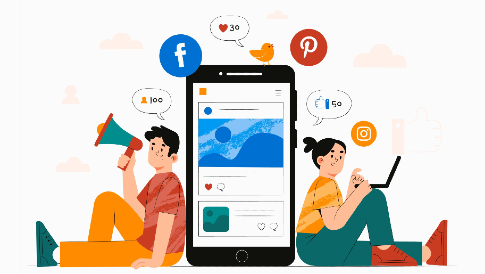
Figuring out where to spend the time and money, figuring out where people actually are online… It’s tough. Every year, someone shouts, “This is the next BIG THING,” and everyone has to either get on board or wonder if staying behind and getting in later will cost serious cash. It’s like a casino. You can easily spend all the time, money, and energy only to see it go away. A big question many businesses have is: if I stick with what I already know, might I miss out on something genuinely new? So which one could be the next big social media platform?
Choosing the Right Platform to Win
Remember back in the days when Facebook was only for college kids and Twitter was… well, Twitter? Those who jumped in early got a big head. What about TikTok, the current craze? Some are still wondering if it’s for them; it’s been like a decade already, but it certainly seems to work for reaching some audiences. The key is learning how to know which next big social media platform is likely to last–and, more importantly, which ones are actually reaching the target customer.
Understanding Your Audience on the Next Big Social Media Platform


Platforms come and go, and that’s just how technology is. One big mistake companies make is assuming that because platform A worked last decade, platform A will for sure work this decade. The audience itself changes, and their preferences do too.
Figuring out where they are is much more than looking at numbers or going where everyone else goes. Finding out their actual behavior helps. Are they watching short videos or looking for detailed long-form writing?
YouTube vs. the Next Big Social Media Platform
YouTube is also one channel people use to engage with the audience. Even as more content creators join the channel, they struggle to gain traction organically and wonder what they could reasonably do to grow the number of people who like all their content. But you also need to buy YouTube likes to build the channel. Creating valuable content does not automatically mean someone will succeed; the content often needs many kinds of promotion. Channels that have purchased metrics often create a feedback loop, where more people like the content, which then causes more people to like the content. So that first step to get likes is important, but make sure it is organic.
How to Identify the Next Big Social Media Platform Early
Keeping up with new, cool trends is how businesses can become leaders, but spotting a fleeting trend isn’t easy. The biggest risk is focusing on something that turns out to be more like a shiny toy than a sustainable connection with customers. But if done well, companies can gain very loyal and organic audience members, who will ultimately promote their products just because they love them.
Another benefit comes from not being afraid of something new; some people are naturally very scared of “shiny new things”, and this causes them to stay stagnant and be ineffective in the new economy.
Testing new platforms can be easier when you use free social media marketing tools and apps to schedule posts, track engagement, and analyze audience behavior.
Stay Adaptable to Any Next Big Social Media Platform
One of the few sure things is change. Making the most of new social media platforms comes down to being ready to adapt. It means not getting too cozy with what worked before. It involves always testing new things. Testing new things can be hard, especially with a marketing team of 2 or 3 people.
Being adaptable means investing resources, yes, but more importantly, it means being mentally and organizationally able to pivot when one platform unexpectedly falls out of favor. The future of social media is almost just constant learning and making small-scale bets to see if something works.
Conclusion
Betting big on the next big social media platform, and then getting lucky, that’s awesome and a great move. Even better, it involves constantly getting to know people, being willing to try cool new stuff, and always planning for the likely event that today’s platform will be totally different soon enough. Then, the business will already be well-equipped and ready to adapt to the changing conditions in the business.
Sources: