

- Paper-based room folders are often outdated and overlooked by guests
- Modern guest information tools reduce admin load and improve real-time communication
- Guests engage more with in-room services when access is digital
- Removing printed folders supports sustainability and better presentation
You’ve probably seen it before. You walk into a hotel room, put down your bags, and spot a thick folder sitting neatly on the desk or bedside table. Inside? A laminated list of TV channels, a tired-looking room service menu, and a page explaining how to work the air con. Most guests barely touch it. Some don’t notice it at all.
Hotel rooms haven’t changed much in how they present guest information, even though nearly everything else has gone digital. From mobile check-in to contactless room keys, guest-facing technology has moved forward. Yet many hotels still rely on paper compendiums, even as they lose relevance. The shift toward more modern, interactive guest information tools isn’t just about tech — it’s about matching how today’s travellers think, search, and engage.
Guest Expectations Have Shifted Faster than Hotel Habits
If you’re running a hotel, you’re likely already noticing this change. Guests arrive with a phone in hand, often having completed the check-in process before they even set foot inside. They want Wi-Fi passwords quickly, local dining options without delay, and in-room services without having to flip through an old binder of information. That binder — no matter how neatly updated — just doesn’t fit anymore.
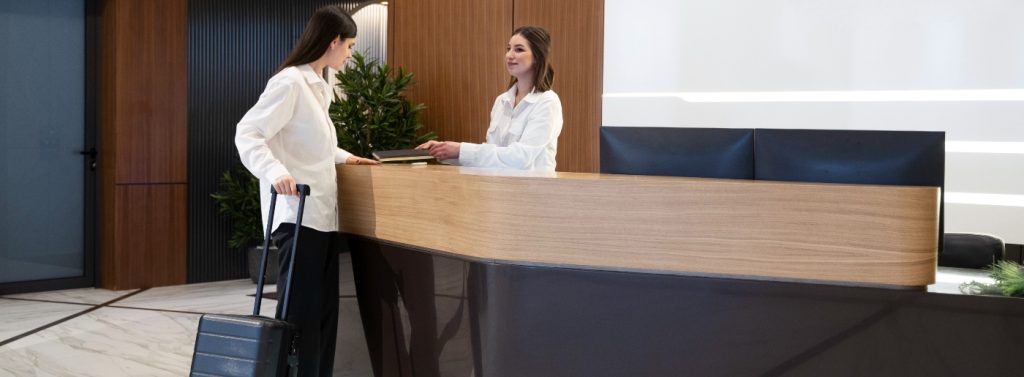

The shift isn’t only generational. Business travellers, families, solo adventurers — almost all are now used to quick digital access. The less friction between them and the information they need, the better their stay tends to go. This isn’t just about convenience, either. It reflects a growing expectation that accommodation should work with the devices guests already use. A static folder can’t compete with a mobile-friendly interface that updates instantly and speaks the guest’s language.
If you’ve been considering a digital hotel compendium, this shift in guest habits is probably the biggest reason why. It’s not about replacing a booklet with an app for novelty’s sake. It’s about aligning the hotel experience with how people live and travel now, and removing outdated friction points that interrupt the guest journey.
Staff Time is Better Spent Elsewhere
Anyone who’s worked in a small or mid-sized hotel knows there’s never quite enough time in the day. Between check-ins, housekeeping coordination, guest requests, and admin, your team is stretched thin. Now add the task of updating 40 or 50 physical folders every time your in-room dining menu changes or your Wi-Fi provider resets the password. It’s tedious, time-consuming, and rarely noticed by the guest — unless it’s outdated.
Digital guest information tools eliminate that maintenance requirement. When hotel information lives on a cloud-based platform, updates are immediate and universal. Change it once, and it’s updated everywhere, instantly—no more printing, laminating, or replacing worn-out pages. And when staff don’t have to focus on low-impact admin tasks, they can put their energy into better guest service. That might mean faster room preparation, more time at the front desk, or simply fewer mistakes made under pressure.
This shift isn’t just about modernising. It’s about resource efficiency. In most hotels, the most considerable cost is labour, so it makes sense to free up your team for tasks that improve the guest experience.
Updating Content is No Longer a Logistical Nightmare
Anyone who’s ever tried to push a last-minute change through physical compendiums knows how clunky the process can be. If your restaurant updates its trading hours or your valet service changes contact details, getting that info into every room is a scramble. Worse, there’s always the risk that some rooms end up with different versions, leading to confusion or complaints at the front desk.
Digital guest information tools remove that inconsistency. Updates occur in real-time, and all rooms reflect the changes immediately. You don’t need to wait until off-peak season to reprint materials, and you don’t need to worry about mismatched information floating around the property.
This kind of flexibility is especially valuable in seasonal markets or during events when your offerings might change frequently. Whether it’s an updated happy hour time, a public holiday room service schedule, or new safety instructions, you can keep guests accurately informed without relying on physical paper trails. It’s not just faster — it’s also cleaner, more consistent, and far less stressful for your team.
Guests Interact with Content More When It’s Digital
You don’t need a tech-savvy audience to see the difference. When hotel information is available through a mobile-friendly interface or scannable QR code, guests are simply more likely to use it. They don’t have to guess where to find it, flip through pages, or wonder if it’s up to date. Using tools like The QR Code Generator (TQRCG), hotels can create scannable codes that link directly to up-to-date digital guides, menus, and service directories, improving convenience for every guest. It’s right there on their phone — familiar, accessible, and in many cases, available in their preferred language.
This kind of access naturally boosts engagement. More guests check restaurant hours, make spa bookings, or request late checkouts when the process is straightforward and doesn’t require a call or a trip to reception. It also reduces misunderstandings. If you’ve ever had a guest show up at your cafe ten minutes after closing because of outdated folder info, you know how frustrating those situations can be — for them and your staff.
Digital delivery isn’t about replacing service with screens. It’s about meeting guests where they already are. And when your information is designed for modern use, your services tend to receive more use as well.
It’s Also about Hygiene, Sustainability, and Presentation
There’s a practical side to going paperless that often gets overlooked. Physical folders don’t just visually date a room — they also raise concerns about cleanliness. Pages tear, covers collect grime, and after a few months of heavy use, most look like they belong in storage, not a premium guest room. Guests notice. And in a post-pandemic world, surface hygiene carries even more weight.
Then there’s the sustainability issue. Hotels across Australia are under increasing pressure to reduce waste and show clear steps toward environmental responsibility. Ditching paper folders may seem small, but it’s a visible and tangible change that aligns with what guests are looking for. It signals that your property is keeping up, not just in design or service, but in values.
It also sharpens the room’s overall look. Clean surfaces, uncluttered desks, and modern displays make for a better first impression — and often lead to stronger reviews.
Conclusion
Today’s guests expect simplicity, accuracy, and convenience from every aspect of their stay. When the information in their room aligns with how they already navigate the world — quickly, clearly, and digitally — the whole experience feels more thoughtful. And from the hotel’s side, it becomes easier to manage and update, without taking valuable time from staff or creating inconsistencies across rooms.
Modernising your guest communication doesn’t mean changing everything at once. However, small steps, such as removing outdated folders and adopting flexible, user-friendly guest information tools, often lead to smoother operations and better guest feedback. It’s one of the few changes that benefits everyone involved, without needing a massive systems overhaul.
Check our website templates to attract even more clients!