
Dropshipping is now widely regarded as one of the most accessible ways to launch an online business, and Shopify is the best platform for establishing and operating a successful store. With minimal initial financing, sourceable products, and robust automation software, a business owner can spend more time on marketing and expansion rather than managing inventory.
This guide will show you how to start, manage, and expand your dropshipping business on Shopify. Since the establishment of stores and the search for suppliers, you have likely encountered Shopify costs and scaling plans. This article provides a structured roadmap.
Much of what agencies such as Transform Agency preach is that successful long-term dropshipping is a combination of the right platform, strong branding, clear pricing, and a customer-centric execution.
Understanding the Basics of Dropshipping on Shopify
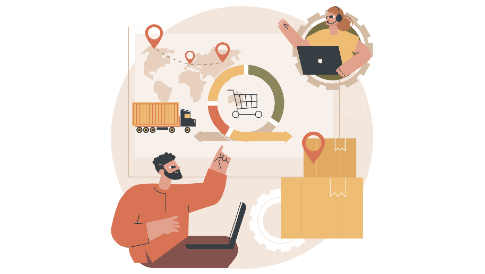
Dropshipping is a retail model in which the shop owner does not have the products in stock; the order is fulfilled by a third party. Instead, as a customer makes an order, the product will be delivered directly by a third-party supplier.
How Shopify Supports Dropshipping
Shopify would be especially useful in drop shipping since it has the following:
- No technical background needed to set up an easy store.
- Effortless connection with dropshipping applications.
- Automated order processing
- Secure payment gateways
- Intrinsic analytics and reporting.
These aspects make Shopify a perfect solution for both those with little eCommerce experience and those with advanced skills.
Setting Up Your Store – Tools, Themes, and Apps


Starting dropshipping on Shopify is not easy, but it requires the right tools.
Choosing a Theme and Essential Apps
The critical aspects that should be addressed during the setup are:
- Plug-in mobile theme to increase conversions.
- Dropshipping software (including supplier integration software).
- Trust building through product review apps.
- SEO and performance optimization software.
Properly organizing a store design enhances the customer experience and increases the likelihood of repeat purchases. Check our article on how to start a Shopify store.
Product Research and Supplier Selection
One of the most essential steps in drop shipping is selecting products and suppliers.
How to Find Winning Products
Successful product research entails:
- Detecting the products that are trending and have steady demand.
- Not To cover already saturated markets.
- Concentrating on niche or problem-solving.
- Comparing the competition price and branding.
Evaluating Reliable Suppliers
Prior to the association with a supplier, take into account:
- Turnaround and shipping time and availability.
- Quality of the products and packaging.
- Communication responsiveness
- Return and refund policies
Good supplier ties minimise customer complaints and enhance brand loyalty.
Store Setup and Operational Workflow
After making selections of your products the next thing is to set up the operational flow of your store.
How to Dropship on Shopify Efficiently
Automation and clarity are the two areas to focus on when learning how to dropship on Shopify. This encompasses alignment of goods in place, establishment of clear shipping guidelines and automated order fulfillment using applications. An automated workflow reduces errors and manual effort and enables you to scale faster without bottlenecks in operations.
Key operational elements include:
- Order fulfillment is automated.
- Open shipping communication.
- Clear product descriptions
- Customer support setup
Shopify Pricing, Costs, and Value for Dropshippers
Knowing the pricing model of Shopify will allow you to manage costs and develop the growth plan.
Shopify Pricing and Plans Guide for Dropshipping Businesses
The Dropshippers should have a good Shopify Pricing and Plans guide as it helps them strike a balance between features and costs. Shopify has a variety of plans to suit businesses of various stages, which vary in the extent of reporting, transaction fees and the accessibility of staff.
When choosing a plan, consider:
- Monthly subscription cost
- Processing and transaction charges.
- Scalability features
- Advanced reporting needs
Choosing the proper plan will guarantee that you do not pay a lot of money and at the same time, you possess the tools to make sure that you grow effectively.
Marketing, Scaling, and Long-Term Growth
In competitive niches, marketing is significant to the success of dropshipping.
Effective Marketing Strategies for Dropshipping on Shopify
Traditional growth tactics comprise:
- Advertisements on social media.
- Search engine optimization (SEO).
- Influencer partnerships
- Email marketing and retargeting.
Scaling Your Dropshipping Business
To scale successfully:
- maximize products with high performance.
- Improve conversion rates.
- Build brand and consumer confidence.
- Outsource tasks when needed.
Many companies engage the services of agencies such as Transform Agency to optimize marketing channels, enhance store development, and develop sustainable growth initiatives.
Conclusion
Dropshipping on Shopify is an easy-to-start, flexible, scalable online business model, but it requires a combination of business planning, product selection, price sensitivity, and effective marketing. Since it is evident that you should know the basics and decide on the correct plan of Shopify and streamline your business, each step is integral to profitability in the long term. With the support of Shopify’s robust ecosystem and structured growth strategies, it is possible to transform dropshipping into a sustainable business model.
No matter which stage you are in or whether you want to scale, you will remain competitive in the changing eCommerce environment by emphasizing clarity, efficiency, and customer experience.