

Everyone thinks you have to post non-stop to get noticed online; pump out the content, again and again and again. But what if that’s… totally backwards? It turns out that the under-posting strategy, posting less, can actually be the most innovative way to go about it. Yes, it is pretty counterintuitive, but there are actually many benefits to this strategy, as weird as it sounds.
Avoiding Content Fatigue
Think about it, if someone posts too much, people get sick of seeing their stuff. Their eyes might get tired because that’s all they see on the feed. They want fresh content every day, not recycled things of the same nature. The under-posting strategy prevents this, leaving people wanting more content from losing its effect. If one is concerned about engagement or needing more followers to keep their “social proof” updated, then they can grow their audience by buying services to make that happen, which also gives people more time to engage with the existing content.
Creating Higher Quality
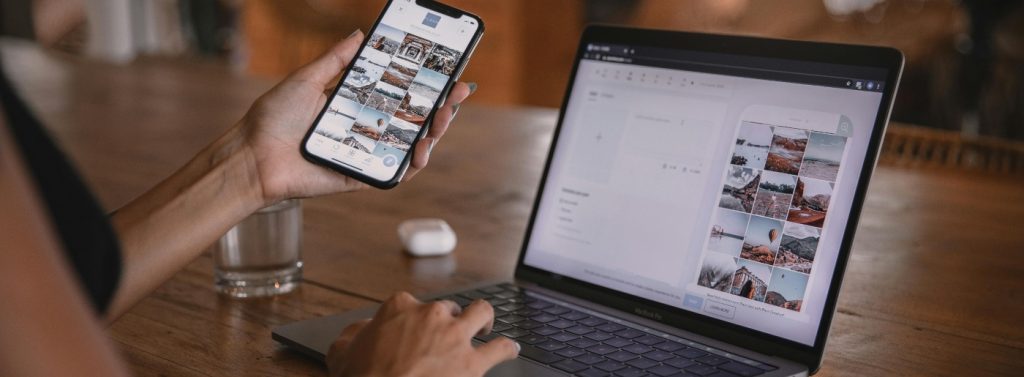

When someone posts only occasionally, they invest significantly more time and effort into making each post amazing. Making anything unique always takes a lot of time. By creating fewer, but better things, you can get people talking. The content created will capture attention and generate more engagement than simply posting a bunch of low-quality filler content. This is one reason why this strategy actually works.
Building Up Curiosity
People notice when something is rare. If you post super infrequently, the followers will be interested in what is coming up. Scarcity drives desire. This causes a lot of buzz, as users want to know the new information being brought to them. People start asking questions, making discussions, and that stuff increases your brand a lot.
Getting People to Actually Listen
People have tons of options when it comes to social media content. If postings are non-stop, that’s just noise. But by posting super infrequently, the audience will start to realize that the stuff being brought to them is important to see. They would start to listen harder, knowing you never post something that wasn’t. Also, this strategy will help to build real connections. Real connections are more impactful, rather than a mindless like on something someone scrolls past.
Saving Time and Energy
Making content is tiring. It takes a lot of time to plan, develop, and make perfect content. The under-posting strategy will remove all of this stuff, and that can save someone a lot, and that energy can be used somewhere else, like strategizing the next great video, or simply taking a much-needed break to recharge those social batteries. Also, under-posting allows a bit more time to engage with other stuff. Connecting with other folks instead of stressing on always posting is helpful.
Making A Statement
In a world where everyone seems desperate for attention, the under-posting strategy can be a statement of confidence. It sends a message that you don’t need to validate your existence with content constantly. Moreover, it shows that you value substance over quantity. It signifies quality. It can be a quiet rebellion against the constant demands of the algorithm. Also, it has been said that it can be an opportunity to create a unique brand.
Focusing on Targeted Reach
In Conclusion, the under-posting strategy prioritizes quality and impact over quantity. Aim to be selective and create posts that genuinely resonate with your audience, but remember, you need to understand what types of content they engage with most. This carefulness makes the content get noticed by its target audience. The content posted would finally get its recognition, as it would have been drowned out by a daily post.
Sources:
- Full article: When less is more: Exploring the relation between delay discounting rates in a personal and organizational context
- When Less Is More: Principles for Responding in the Disciplines – Lunsford – 1997 – New Directions for Teaching and Learning – Wiley Online Library
- Minimalism in Marketing: Why Less is More? | by Kashish Chawla | The Business Club, IIT (BHU) Varanasi | Medium