

Today, in the digital-first world, your Website Graphic Design Portfolio is much more than a collection of successful projects you have already done; it is a strategic brand asset. It directly influences the perceptions of potential clients, employers, and collaboration partners regarding your expertise, professionalism, and creativity. For most designers, the portfolio is the tool for entering their audience; it is an important means of creating initial impressions and long-term brand perceptions.
To develop a portfolio that not only builds a good reputation, one needs to go beyond aesthetics. You need to understand brand perception, set measurable objectives, and develop a brand perception strategy that aligns with your preferred market positioning.
Knowing the Brand Perception
To develop an effective portfolio, you need to understand the definition of Brand Perception. Brand perception is the way individuals think and feel about your brand based on the interaction and impressions. It is not merely what you say your brand is, but what your audience really thinks of it.
To designers, the brand perception depends on the visual consistency, quality of user experience, and clarity of project presentation as well as professionalism of messaging. All the content of your portfolio leads to these perceptions. When properly done, it makes you reliable, skilled, and innovative. When done inadequately, it may strengthen even the most solid body of work.
Portfolio in the Development of Brand Perceptions
Your portfolio is physical evidence of your skills. In contrast to those industries, where the resume or credentials can be the main factor in decision-making, in design, results are mostly assessed by visible outcomes. A well-designed Website Graphic Design Portfolio can make you a specialist rather than a generalist, charge more, build emotional trust with prospective customers, and establish authority in your niche.


An inconsistent, untidy, or old-fashioned portfolio, in turn, may lead to negative perceptions. Initial impressions are crucial, and your portfolio can be a major basis for how others judge your brand.
The Strategy To Build Brand Perception
A good brand perception plan will ensure that what is in the portfolio aligns with how you wish to be perceived in the market. Begin by asking: What should my clients be thinking when they visit my portfolio? Is it my desire to seem courageous and creative or sophisticated and business-like? Would I attract start-ups or large business or creative brands?
After you clarify your positioning, you should have all the portfolio content, your visual style, layout, and case studies to help you. It is also about visual consistency, typography, color palette, imagery, spacing, and layout. The selection of projects should also be strategic; showcase only work that suits the clients or projects you want to attract. Case studies are not limited to the gallery of pictures, but you challenge, design process, strategy and quantifiable results.
Finding a Way to Improve Brand Sentiment by User Experience
The perception that individuals have of your brand, Brand Sentiment, is directly related to the quality of user experience on your site. An excellent Web Graphic Design Portfolio can evoke positive feelings of trust, confidence, and admiration, while a poor website may lead to frustration, doubt, or disinterest. Slow page loading, broken links, an unclear navigation structure, or a cluttered image can destroy your credibility, regardless of how impressive your work is.
To build strong brand equity, your portfolio should be responsive and accessible on any device. Optimizing for mobile devices is especially important, as many clients navigate on smartphones or tablets. The intuitiveness of navigation will ensure that visitors can easily navigate your projects, learn how you do it, and access the most important information. Professionalism and detail are also supported by consistent visual design, legible typography, and a high level of images, which directly influence the emotional perceptions.
Moreover, the provision of clear calls-to-action and conveniently located contact details make users happier and stimulates their interest. It is also possible to add subtle interactive details, such as hover effects or smooth scrolling, without taking the focus off your work. User experience can not only demonstrate your design experience but can also enhance the sentiment of the brand, create a sense of trust, credibility, and other long-term positive impressions in the minds of prospective clients and business partners.
Using the Power of Media Intelligence
Decisions must be data-driven in a competitive environment. The tools of media intelligence may help you examine industry trends, monitor your competitors’ portfolios, and measure audience feedback on your content. Media intelligence can help you shape your portfolio to meet current standards and audience expectations.
By evaluating the presentations of other artists, the kind of projects they receive attention for, and how your prospective audience reacts to digital artworks, you can create a portfolio that has the greatest impact.
Measuring Brand Perception
A Website Graphic Design Portfolio is not merely a presentation of your achievements, but also a powerful tool that can provide you with quantifiable data on how your brand is viewed. Knowing and monitoring brand perception metrics will help ensure your portfolio aligns with how you really want to be perceived. Major indicators are bounce rate, average time on website, conversion rate, scroll depth, and social shares. For example, a high bounce rate can indicate that your portfolio is not appealing to visitors or that the content is not meeting their expectations. On the same note, the length of the sessions and the depth of the scrolls indicate that users are looking at the various projects and are involved in your content in a meaningful manner.

In addition to analytics, client and prospect feedback is also helpful. Qualitative information about how your portfolio is interpreted can be gathered through surveys, emails, or a simple conversation. Do visitors impress with your work? Are they aware of your design process? This kind of feedback can be used to fine-tune your brand perception measurement and provide actionable insights rather than just numbers.
Frequent observation enables you to identify areas for improvement, which may include revising old projects, enhancing layout and navigation, or adding new testimonials and case studies. Always quantifying and refining your portfolio makes you more resolved to your brand perception strategy, credibility and ensures your professional image does not drift outside your business objectives.
Brand Authority and Social Proof
The testimonials and reviews, with the clients’ logos and names, strengthen the statement of trust and brand sentiment. Positive feedback helps eliminate the sense of risk when dealing with new clients and builds trust in your capabilities. Awards, certifications, and recognitions are likewise external validation that increases perceived authority.
Visitors to your portfolio should be logically guided through its content, and you should use hierarchy and layout to convey professionalism. A well-organized design is associated with competence, and disorganized images may destroy trust.
Personal Branding and Realness
A personal brand should reflect your portfolio, and there should be a balance between who you are and who you are not. Authenticity is vital, as portraying your true way of doing things not only makes your work authentic but also creates a connection with the clients, working partners, and prospective employers. Sharing your authentic, creative voice will make you stand out in a saturated market and build trust and credibility.
To make sure that your portfolio is authentic enough, take into account the following strategies:
- Persuasive About Page: Find your story, explain your special point of view, and tell what you are motivated by in your creative work. Be yourself in a professional manner.
- Definite Mission Statement: articulate what you are about, what you value, and what difference you hope to make with your work, and provide your portfolio with a powerful sense of direction.
- Design Philosophy: Discern the principles and thought processes that are used in your decisions, which would give us an idea of your approach and style.
- Behind-the-Scene Content: Show sketches, drafts, or project iterations to show how you work and think creatively.
- Careful Touches: Help make your portfolio personal by including anecdotes, lessons, or other details that make it worth remembering.
The combination of these factors will make your portfolio more than a portfolio; it will be your personal brand. It creates a strong impression, builds a professional relationship, and emphasizes the worth of being a creative professional.
SEO and Visibility
A good web graphic design portfolio is not only about demonstrating the work; it must also be easy to find for potential clients, employers, and partners. Search engine optimization (SEO) is essential for making your site more visible and attracting traffic. Begin with optimization of major components of headings, meta description, and image alt text with pertinent keywords that add to your skills, areas of specialization, and targeted audience. Using the right keywords ensures the search engines get a read on what you are writing about, and it will also increase your chances of being featured in the relevant searches.
Another important factor is the performance of the websites. Make sure your site loads fast, because slow load times increase bounce rates and lower search rankings. Mobile-friendliness is also relevant, as more and more users visit portfolios on smartphones and tablets. Responsive design is the way to make your portfolio look like a professional project and ensure it works properly on any device.
Feel free to check our article and learn how to Increase speed of your website to boost conversions.
Moreover, a professional, well-organized site adds credibility and fosters a positive attitude towards the brand. Frequent changes in content, the introduction of new projects, and ensuring good navigation also play important roles in increasing engagement and search engine ranking. With a focus on SEO and exposure, your portfolio is not only a masterpiece of your work but also a powerful tool for generating opportunities, building a reputation, and promoting your personal brand online.
Continuous Improvement

Your portfolio is not a lifeless exhibition; it is a living organism that should be nurtured and developed. Constant modification and correction keep it current, engaging, and representative of your accomplishments and current capabilities. By continuously monitoring performance and providing feedback, you can make data-driven improvements that reinforce your personal brand and professional presence. The major continuous improvement strategies are:
- Update Projects and Case Studies: You can also update existing projects to emphasize your new skills and achievements, and add work regularly.
- Refresh Testimonials: Add feedback from recent clients or colleagues to ensure credibility and demonstrate continued success.
- Track Metrics: Track the number of visits to the web, user activity, and conversion rates in order to locate the areas that can be optimized.
- Report on Brand Sentiment: Find out how your portfolio is viewed using your social listening or media intelligence tools.
- Streamline Design and Content: Be sure that your design, layout, and content is current, professional, and in line with your developing personal brand.
Through constant improvement of your portfolio, you build a better relationship with your clients, enhance your professional life and have a competitive and effective presence in your profession.
Avoiding Common Mistakes
Among the pitfalls that can damage brand perception, one may cite showing an excess of projects non-selectively, inappropriate branding, lack of mobile-friendliness, inability to describe project outcomes, or lack of analytics. A well-cultivated, professional portfolio will not have such problems; it will allow your brand to be revealed in the most favorable light.
Short-Term Effect on Brand Development
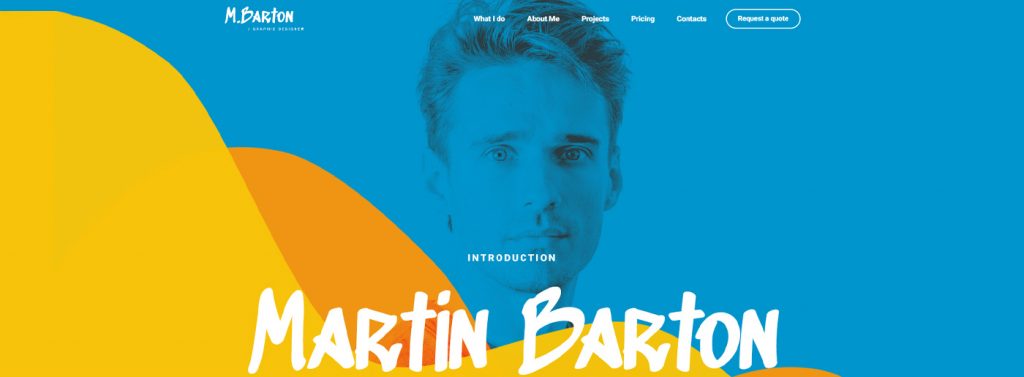
Not just a skillful representation of the website, a good Website Graphic Design Portfolio also bolsters the overall brand perception. It captures a higher-quality client base, builds power, builds brand feeling, and leads to quantifiable growth. By consistently monitoring metrics and aligning portfolio design with the brand perception strategy, you will establish an asset that supports both reputation and business development.
Conclusion
A Website Graphic Design Portfolio, which will improve brand perception, needs proper planning, strategic thinking, and constant optimization. The definition of Brand Perception, a considerate brand perception approach, tracking brand perceptions, tracking the appropriate brand perception indicators, media intelligence, and a positive brand attitude will make your portfolio more than just a show of work, but an effective instrument of creating trust, credibility, and long-term success.
Opportunity arises from perception in a saturated market. A portfolio that conveys professionalism, creative work, and quantifiable outcomes will build your brand and position you to grow in the long run.