
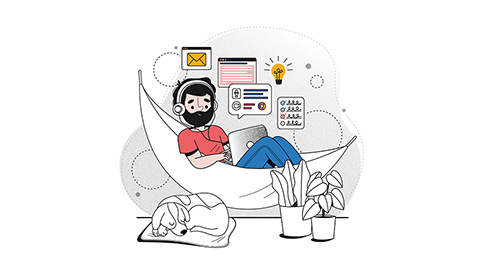
The traditional office layout always promised collaboration. It offered long rows of desks, open floor plans, and whiteboards waiting for the next big idea. But for web designers and developers, that environment often had a hidden cost. The constant tap on the shoulder, the ambient noise of a busy room, and the endless stream of impromptu meetings frequently disrupted the deep focus you need to build the modern web. Have you ever tried to track down a missing semicolon while three different conversations are happening right behind your chair? Honestly, it is almost impossible. I guess we just tolerated it for a long time because we thought we had to. Today, a massive shift toward remote-first work cultures has transformed how digital creators operate.
Far from feeling isolated, many technical professionals and creatives are finding that autonomy actually unlocks higher levels of innovation and job satisfaction.
The Creative Freedom of Controllable Environments
Web design isn’t just about choosing aesthetic colors. It requires long periods of uninterrupted focus to map out user journeys, build wireframes, and balance visual hierarchies. When designers work from a space they control, they can tailor their environment to fit their specific creative process.
Some creators thrive in complete silence, while others need a specific playlist running in the background. In a remote-first workplace, you possess the power to eliminate the specific micro-distractions that stall creative momentum. You know, the sudden overhead lighting changes or the loud lunchroom chats. Without the visual noise of an open office, a designer can spend hours exploring layout concepts and iterating on user interfaces without interruption.
Space matters.
This control over physical surroundings leads directly to cleaner, more intentional design outcomes. It is about building a sanctuary for your mind.
The Developer Flow State and Deep Work
For developers, writing code is an exercise in complex logic and architecture. A single interruption can break a delicate mental model, forcing a software engineer to spend twenty minutes or more just reconstructing their train of thought. We have all been there, staring at a screen, trying to remember what we were doing before someone asked about the weekend. Remote-first environments respect the necessity of the deep work state.
As asynchronous communication becomes the bedrock of successful remote-first companies, teams are finding better ways to connect. Instead of expecting immediate answers to every question, teams rely on written updates, detailed documentation, and structured project management tools.
But does this actually slow things down?
Not at all. And that’s the point. This shift allows developers to check messages between coding sessions rather than being pulled out of their text editors every few minutes. When engineers can choose when to communicate, they can dedicate their peak cognitive hours to solving tough technical problems, debugging complex scripts, and optimizing performance.
Expanding Visual Horizons and Global Inspiration
Working from anywhere means inspiration is no longer limited to a specific city block or a repetitive daily commute. Designers and developers in remote-first settings often find their creativity renewed by changing their surroundings. Whether you’re working from a home office, a local coffee shop, or a temporary base in a different country, exposure to new environments positively influences digital work.
Maybe it is the hum of the laptop at midnight in a quiet rental or just the view of a different street tree. Interacting with different cultures, architectures, and daily rhythms can subtly expand a designer’s perspective on global accessibility and user experience design. It reminds creators that the internet is global, and the applications they build should cater to a diverse, worldwide audience.
Documenting Skills for the Modern Remote Economy
To thrive in a remote-first world, designers and developers must also master the art of presenting their skills digitally. Because remote hiring managers rarely meet candidates in person during the early stages of a search, a professional presentation is completely essential.
When you’re looking for your next remote role, having a clear and structured overview of your technical stack, design philosophy, and past projects is vital. Many professionals choose to streamline this process by utilizing customizable resume templates. These tools allow creators to quickly organize their career history, highlight their remote collaboration skills, and present a polished document to global employers.
Presentation counts.
A clean, well-structured layout demonstrates that you value clear communication, which is the most critical asset in any remote team. It shows you how the digital workplace functions before you even start.
Enhanced Work-Life Balance and Reduced Burnout
The tech industry has long struggled with high rates of burnout. Long hours, tight sprint deadlines, and grueling commutes frequently leave professionals drained. Remote-first workplaces offer a meaningful alternative by giving employees hours of their day back.
Eliminating a daily commute means more time for rest, exercise, hobbies, and family. For a developer or designer, this balance isn’t just a personal benefit. It directly impacts the quality of their professional output.
A well-rested mind is inherently more creative and efficient at troubleshooting problems. So, when professionals have the flexibility to take a quick walk to clear a mental block or adjust their hours to match their natural productivity peaks, their relationship with their work becomes much healthier. It feels less like a grind and more like a craft again.
Seamless Collaboration Through Digital Tools
A common misconception about remote work is that it kills collaboration. In reality, remote-first teams often collaborate more intentionally. Without the ability to rely on casual watercooler conversations, teams develop robust documentation habits.
Modern digital design platforms, collaborative code repositories, and interactive digital whiteboards allow teams to co-create in real time. A designer in New York can leave precise feedback on a component layout, and a developer in London can implement the changes hours later, guided by clear written notes. This structured approach ensures that decisions are documented, transparent, and accessible to everyone on the team, regardless of their location or time zone.
The Future Belongs to Autonomous Creators
The transition to remote-first work isn’t a passing trend for the tech industry. It represents a fundamental evolution in how digital products are built. By prioritizing deep focus, respecting individual work styles, and leveraging digital collaboration tools, remote-first companies are attracting top-tier design and development talent.
When professionals are trusted with autonomy, they don’t just maintain their standards. They elevate them. As the digital landscape continues to grow, the designers and developers who embrace this remote freedom will continue to build a more functional, beautiful, and accessible internet.