

Keyword research stands as a pivotal component of any winning SEO (Search Engine Optimization) approach. It becomes one of those ways to understand what the target audience is searching for on the Internet and thus create relevant content that naturally attracts traffic, engages users better, and helps with ranking. But with so many of the best local SEO tools littering the online marketplace, how do you use them right to realize the full potential of keyword research? This guide will make sure you understand keyword research with the effective help of SEO tools- from a novice to a pro.
1. Understanding the Importance of Keyword Research
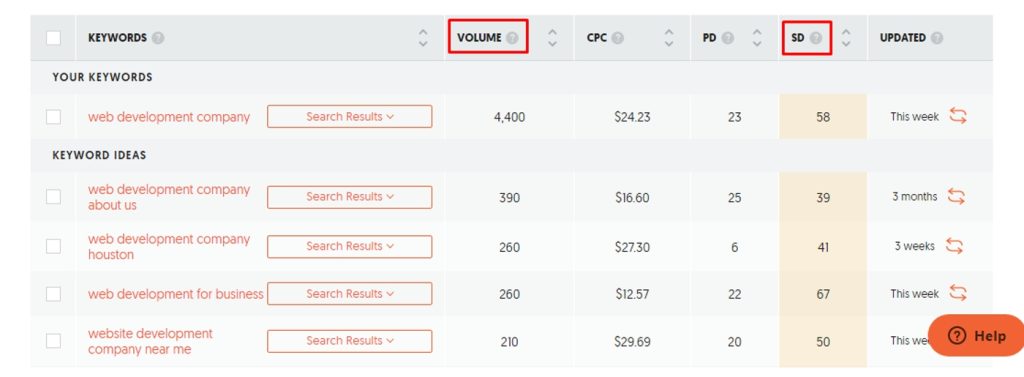

Keyword research is finding terms and phrases that people employ to search for content online. For proper keyword research, you will gain insight into search intent, competition, and user behavior.
Why is Keyword Research Important?
- It boosts a website visibility and organic traffic
- Helps to analyze and optimize the content
- The keyword gives insight into market trends and competitor strategies
- It offers relevant keyword support for any paid search campaigns.
How Keyword Research Impacts Content Marketing
- Guides the content material introduction process by highlighting famous topics.
- Helps in structuring content material with the proper keywords for step forward search engine optimization.
- Supports lead generation by focusing on applicable seek queries.
- Enables the development of ingenious, attractive, and treasured content.
2. The Best Local SEO Tools for Keyword Research
There are many of the best local SEO tools out there, some of which are free, and others are premium. A few that are widely known include the following:
Free Tools
- Google Keyword Planner: The best tool for PPC campaigns and initial keyword research.
- Ubersuggest: Gives keyword suggestions, search volume, and competition information.
- AnswerThePublic: Offers a visualization of keyword suggestions based on real user searches.
Paid Tools
- Ahrefs: In-depth keyword data and search volume plus keyword difficulty.
- SEMrush: Competitive analyses and keyword gap identification.
- Moz Pro: Domain authority metrics and keyword rankings tracking.
- Serpstat: A finance-friendly all-in-one SEO platform for keyword monitoring and analysis.
- SpyFu: Specializes in competitor analysis and PPC research.
Tip: Start with a free tool for preliminary research and switch to paid tools for further analysis.
3. Stepwise Process in Keyword Research
Step 1: Brainstorm Seed Keywords
- Identify your core topics and themes.
- Use associated seed terms with your brand, product, or service.
- Consider prospective issues or questions of your customers.
Step 2: Use the Best Local SEO Tools to Expand Keyword Ideas
- Next, feed your seed keywords into a keyword tool, such as Ahrefs or SEMrush.
- Analyze suggested keyword alternatives, associated terms, and those comprising long-tail keywords.
- Competitor keyword analysis to detect the gaps and opportunities.
Step 3: Assess Keyword Metrics
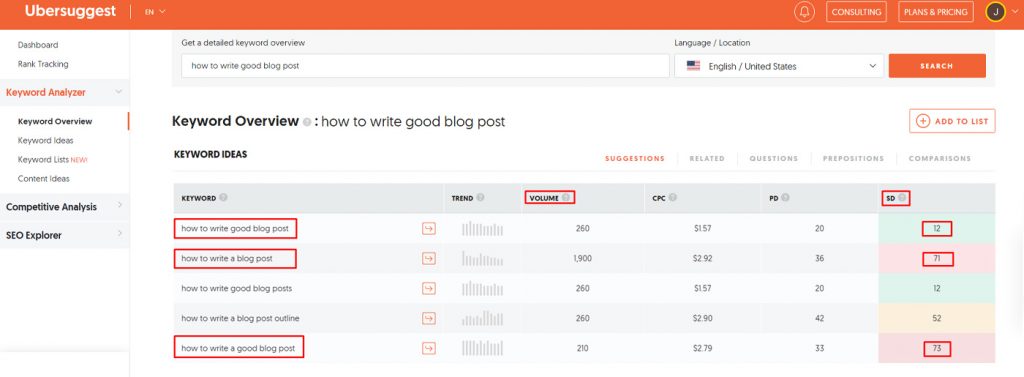
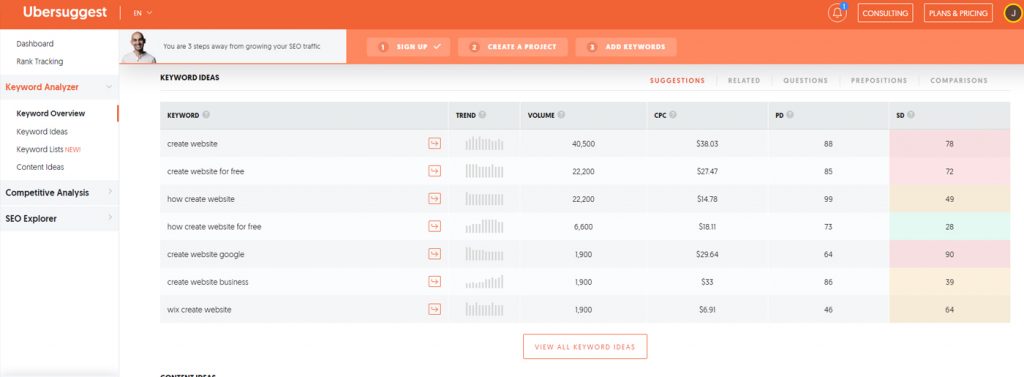
- Volume of Searches: A Keyword defines how often the Keyword can be searched.
- Keyword Difficulty (KD): Determines a keyword’s comparative competitiveness.
- CPC (Cost-per-click): Helps to estimate the cost of such paid search campaigns.
- CTR (Click Through Rate): Determines how frequently customers click on the search result.
- Trend Analysis: Identify seasonal keywords and reveal adjustments in recognition.
Step 4: Assess Search Intent
Aligning content with the user’s expectation can be achieved through the understanding of search intent. Categories typically include:
- Information-Seeking: Looking for information from users (e.g., How to use the best local seo tools)
- Navigational: Looking for a particular type of site (e.g., “Ahrefs login”)
- Transactional: Purchase-ready (e.g., “Buy SEO software”)
- Commercial Investigation: Researching comparative options (e.g., “best local seo tools for beginners”)
4. Competitive Analysis for Keyword Research
Competitor analysis could supply keyword possibility research. To proceed with the subsequent steps:
- Identify Your Competitors: Search key phrases in your niche, then pay attention to the top-rated websites.
- Analyze Competitor Keywords: Utilize competitive gear, including Ahrefs or SEMrush, to view competing keywords and where they rank in the search results.
- Fill Keywords Gap: Find keywords that your competition is ranking for, but you aren’t.
- Discover Link Opportunities: Review competitor one-way hyperlink assets for link-building strategies.
- Content Benchmarking: Compare your content with that of competitors to find out areas for development.
Tip: Go for Moderate Competitive Keyword while High-take Search Intent.
5. Formulate a Strategy Focusing on Keyword Creation
Organize the keywords you have already collected into an organized strategy:
Classifying the keywords.
- Priority 1: High search volume, low competition;
- Priority 2: High competition, but relevant;
- Priority 3: Long-tail keywords with intent alignment.
Creating a Topic Cluster
- Group related keywords into clusters.
- Create pillar pages for main topics and cluster pages for subtopics.
Optimization for Local and Voice Search
- Geo-targeted keywords for local SEO.
- Conversational, question-based keywords for voice search.
Track and Adjust Strategy
- Monitor keyword overall performance using tools like Google Analytics and Ahrefs.
- Adjust content primarily based on ratings and target audience engagement.
6. Advanced Techniques in Effective Keyword Research

6.1. Making Keyword Gap Analyses
- Using SEMrush and Ahrefs, Keyword gap analysis enables one to find out the keywords the competitors rank for without having their own.
- The next step is to work on this opportunity difference in order to widen your content.
6.2. Trend Analysis on Google Trends
- Any user can analyze the way a keyword’s popularity increases or decreases over the years.
- Add season-specific keywords in your strategy.
6.3. Keeping Track of Keyword Performance
- Keyword ranks tracking via such tools as Moz or Ahrefs.
- Making changes to the content to preserve and upgrade rankings.
6.4. Analyzing Competitor Content
- To comprehend the success of ranking analysis and why the article is ranking, one should research opposing content against their respective subjects.
- Comprises tool considerations like SurferSEO or Clearscope to find the content gaps.
7. Avoid Common Mistakes in Keyword Research:

- Not Considering Search Intent: Not aligning keywords with the user’s intent can result in low conversions.
- Use only the most general volume keywords: High competition keywords usually do not give results; therefore, it is always best to use general as well as long-form keywords.
- Forget about Local SEO: Completely absent location keywords result in lost opportunities for local clients.
- Skipping out on competition analysis: Nothing teaches better than looking at what your competitors do- they provide great insight into what works in your industry.
8. Incorporation of Keywords into Content Creation
Once you have compiled a list of keywords, use these guidelines to incorporate them into your content:
- Include keywords in the title, meta description, and URL.
- Use keywords in a flowing sense within the content provided for the first 100 words. Include keywords in H1, H2, and H3 headings.
- Add some semantic keywords to give it some context.
- Since alt text is one of the SEO factors, use it wisely, along with internal linking optimization.
9. Tools for Keyword Tracking and Adjustment
After your keywords have been implemented, track the results with the help of the following tools:
- Google Analytics, which measures organic search traffic;
- Google Search Console, which governs keyword rankings and indexing-related problems.
- Ahrefs and SEMrush measure keyword position and competitor movement.
Tip: Conduct a quarterly adjustment to your strategy through your analysis of the data and fine-tuning anything that isn’t pulling its weight.
Why Keyword Research Is Important
Keywords are the factors that connect what users are searching for and the content offered. The correct keywords will ensure that your website is put in front of the target audience. Proper keyword research will assist you in:
- uncovering high-traffic, low-competition opportunities.
- knowing the user’s intent to produce relevant content.
- outranking competition in SERPs.
- creating an opportunity for better conversion and high ROI.
The best local SEO tools and GMB software have made keyword research and business visibility management dynamic and straightforward. The whole process is data-driven, not a guessing game.
Your Step-by-Step Instructions to Use the Best Local SEO Tools for Keyword Research
1. Define Your Goals
Before you hop into keyword research, you must first determine what your goals are. Are you trying to:
- Boost organic traffic?
- Improve the local search?
Target long-tail keywords to meet the specific needs of audiences? The articulation of your goal will therefore lend direction to your approach and serve as a guide in choosing the right tools.
2. Opt for the Best Local SEO Tools
It is essential to choose the appropriate tools, as there are a variety of the best local SEO tools with features and pricing. Some of the popular options include:
- Free Tools: Google Keyword Planner, Google Trends, Ubersuggest.
- Paid Tools: Ahrefs, SEMrush, Moz Pro, KWFinder. Most paid tools provide much more comprehensive data than free options, but are excellent for beginners or those on a budget.
3. Starting with Seed Keywords
Seed keywords help to initiate and define your research or enter in broad, high-level terms that describe your niche or business. An example would be as follows:
- For a fitness blog, such seed keywords would include “workout,” “exercise,” or “fitness tips.” If you run an e-commerce store specializing in shoes, seed keywords might include “running shoes” or “sneakers.”
- Enter these seed keywords into the SEO tool of your choice so that it can generate a list of other related keywords.
4. Keyword Metrics Analysis
Now, when the tool generates a list of keywords, you have to check out the following metrics to assess their viability:
- Search Volume: How frequently that keyword is searched. The more the searches, the more potential traffic.
- Keyword Difficulty (KD): The keyword’s competition level. Low-to-moderate difficulty keywords should be targeted if just starting out.
- Cost Per Click (CPC): Given that this is for a PPC campaign, this is the same as giving the commercial value of a keyword.
- Search Intent: The intent behind the keyword should also be aligned with whether the searcher is looking for information or is wanting to purchase an item or service, navigational intent, etc.
Ahrefs and SEMrush, for example, have these metrics in a very user-friendly format.
5. Explore Long-Tail Keywords
Basically, long-tail keywords are longer, more precise phrases with less competition but better opportunities for increased conversion. For instance:
- Broad Keyword: “running shoes”
- Long-Tail Keyword: “best lightweight running shoes for marathon training.”
- KWFinder and Ubersuggest work best when it comes to long-tail keywords specific to your goals.
6. Analyze Competitor Keywords
Competitive analysis can reveal the gaps in your strategy. Use Ahrefs’ Content Gap feature or SEMrush’s ‘Competitor Keyword Analysis’ to:
- discover the keywords your competitors rank for;
- identify where they missed, so that you can capitalize;
- analyze the competitor content for ranking factors such as word count and structure.
With an insight into your competitors’ strategies, you can structure your content differently.
7. Leverage Question-Based Keywords
It is essential to understand user intent so that you are able to produce valuable content.
There are question-oriented keyword tools like AnswerThePublic and AlsoAsked to show what questions users are asking.
- For example, a seed keyword “digital marketing”
- transforms into a question-based keyword through “What are digital marketing strategies?”
- Adding these questions to your content is an engagement tactic that favors SEO as well.
8. Monitor and Refine Your Keywords
Research on keywords is not a one-time thing. Trends change, user behavior changes, and levels of competition change, so make it a point to revisit and refine your keyword strategy regularly. Google Trends is helpful in checking on seasonal or emergent keyword trends.
9. Organize Your Keywords
Use a spreadsheet or keyword research tools to sort keywords based on topic, intent, and priority. This organization enables smooth content creation and on-page SEO.
Best Practices for Effective Keyword Research
- Target keywords offering a mix of traffic potential and competition.
- Always suit keywords with user intent.
- Never engage in keyword stuffing; quality matters more than quantity.
- Keep analyzing performance metrics so you can adapt your strategy.
Conclusion
Keyword research forms the basis of the entire SEO operation, and proper tool application will take your digital strategy further. These tools offer insights for any user level, thus facilitating decision-making and improving results. Define your goal, back it up with data, and be proactive to truly win in keyword research and keep your content in good standing.
Now, check out the best local seo tools that could help unleash the potential of your site and keep you in the lead in a competitive digital arena. The best On-page SEO tool for boosting your website visibility and performance is none but help of SEO tools.